
More Than a Summer Fruit
When you think of the Fourth of July, chances are a few things come to mind: the smell of barbecue on the grill, a pitcher of sweet tea, fresh corn on the cob, and a big slice of cold watermelon.
For many families across the South, watermelon has become as much a part of summer celebrations as fireworks and family cookouts. But behind this refreshing fruit is a history that is deeply connected to African agriculture, Black entrepreneurship, and resilience.
Watermelon didn't originate in America. It traces its roots to Africa, where it was cultivated thousands of years ago. Enslaved Africans brought with them generations of agricultural knowledge, including experience growing crops that could thrive in hot climates. As they worked the fields throughout the South, they continued to cultivate fruits and vegetables that reminded them of home, including watermelon, okra, rice, peas, and other staples that would become part of Southern cuisine.
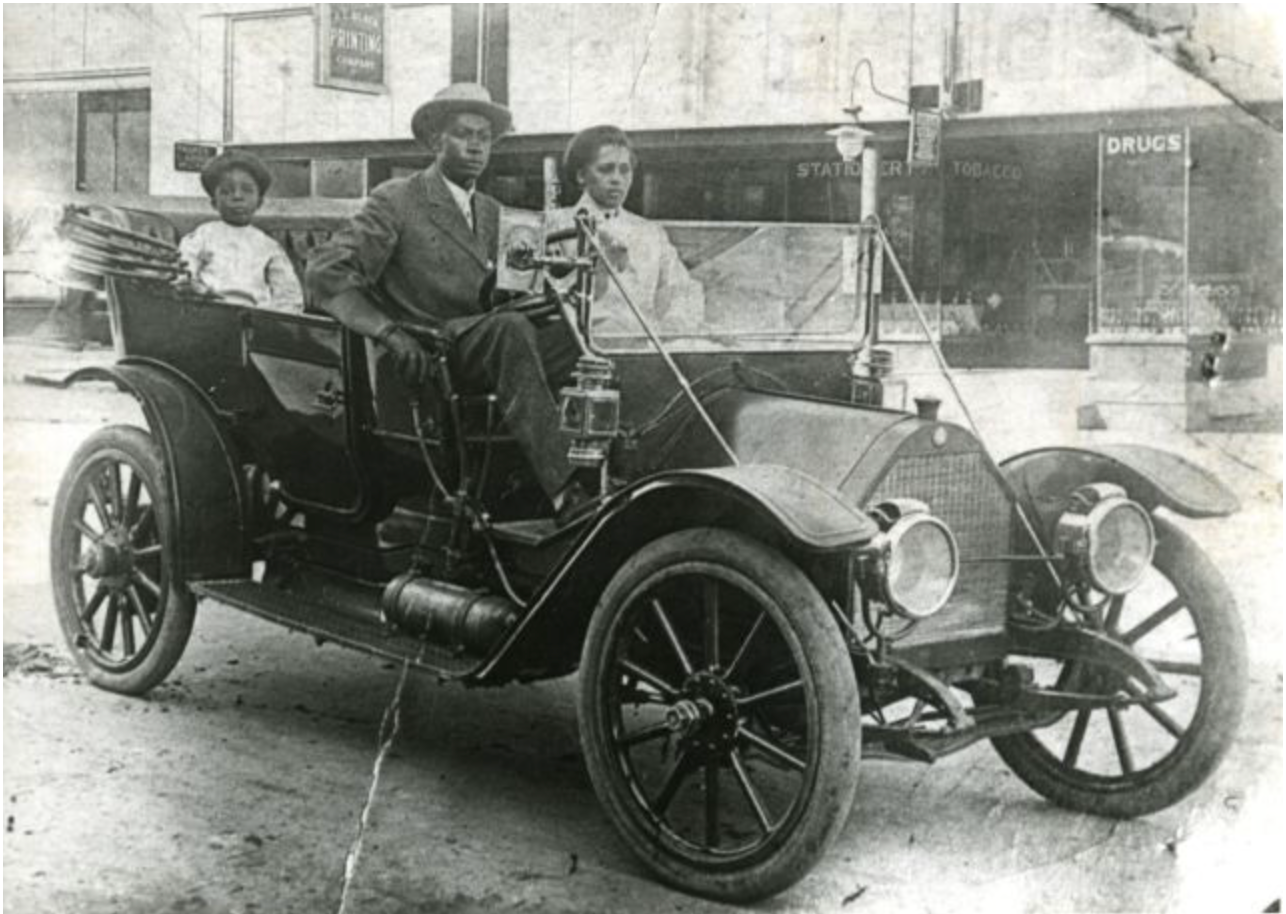
Following emancipation, watermelon took on an even greater significance. Many newly freed Black families grew and sold watermelon as a way to earn income, purchase land, and build independent businesses. Roadside stands, neighborhood markets, and family farms became symbols of economic freedom and self-sufficiency.
Unfortunately, that success was met with resistance. During the late 1800s and early 1900s, racist cartoons, advertisements, and postcards began using watermelon as a way to mock African Americans. A fruit that had represented opportunity and independence was twisted into a harmful stereotype designed to diminish the achievements of newly freed Black Americans.
Despite those efforts, watermelon never lost its place on the table.
Today, it remains a staple at family reunions, church picnics, fish frys, Juneteenth celebrations, and Fourth of July cookouts throughout the South. In the Lowcountry, it's often one of the last things served before everyone settles in to watch the fireworks—a sweet ending to a day spent with family and friends.
Here in Charleston, food has always told the story of the people who prepared it. Just like Carolina Gold rice, okra, collard greens, and red rice, watermelon reflects the lasting influence of Gullah Geechee culture and the agricultural knowledge passed down through generations. It reminds us that many of the foods we enjoy today are rooted in traditions that crossed the Atlantic and flourished here in the Lowcountry.
So, as you gather around the table this Fourth of July, don't think of watermelon as just another side dish. Think of the generations of farmers, families, and communities who helped shape its story. Every slice carries a little piece of history—and every shared meal is another opportunity to honor it.
From all of us at Carolima's, we wish you a safe, joyful, and delicious Fourth of July. May your grill stay hot, your tea stay cold, and your watermelon always be sweet.