
More Than a Purchase: The Power of Supporting Black Businesses
Every time we spend money, we make a choice about what businesses, families, and communities we help sustain.
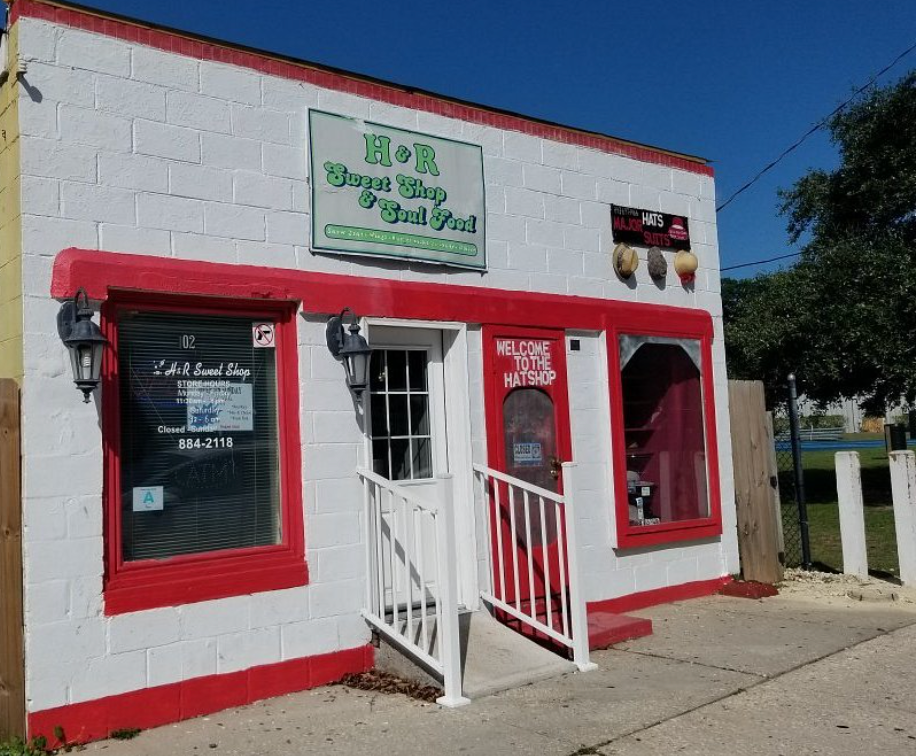
As we recognize Black Business Month this August, we've been thinking about what it really means to support a Black-owned business. Of course, making a purchase matters. But support can also look like sharing a business with a friend, leaving a review, booking a service, attending an event, engaging with a social media post, or simply telling someone, "You need to check them out."
There is a long history behind Black entrepreneurship in America, and one of the most powerful examples can be found in Tulsa, Oklahoma.
In the early 1900s, Tulsa's Greenwood District became home to a thriving Black community filled with entrepreneurs, professionals, and families building lives for themselves despite segregation. Greenwood had Black-owned restaurants, hotels, grocery stores, theaters, salons, medical offices, and other businesses. The concentration of Black wealth and entrepreneurship became so notable that the area came to be known as Black Wall Street.
What made Greenwood so powerful wasn't simply the number of Black-owned businesses. It was the community surrounding them.
People supported their neighbors. Business owners employed people from the community. Money spent at one business could become income that was spent at another. In a country where segregation often prevented Black Americans from freely participating in the broader economy, communities like Greenwood created their own opportunities.
That success was devastatingly interrupted during the Tulsa Race Massacre of 1921, when a white mob attacked Greenwood, killing residents and destroying homes and businesses across the district. Generations of property, businesses, and wealth were lost.
Yet the story of Black Wall Street isn't only a story of destruction. It's also a story about what Black entrepreneurship had already accomplished—and what the community worked to rebuild afterward.
More than a century later, that part of the story still resonates with us.
Owning a business can mean creating something that extends far beyond the person whose name is on the paperwork. A small business hires employees, pays other vendors, works with local professionals, supports community organizations, creates opportunities, and often opens doors for another entrepreneur coming behind them.
We see that firsthand at Carolima's.
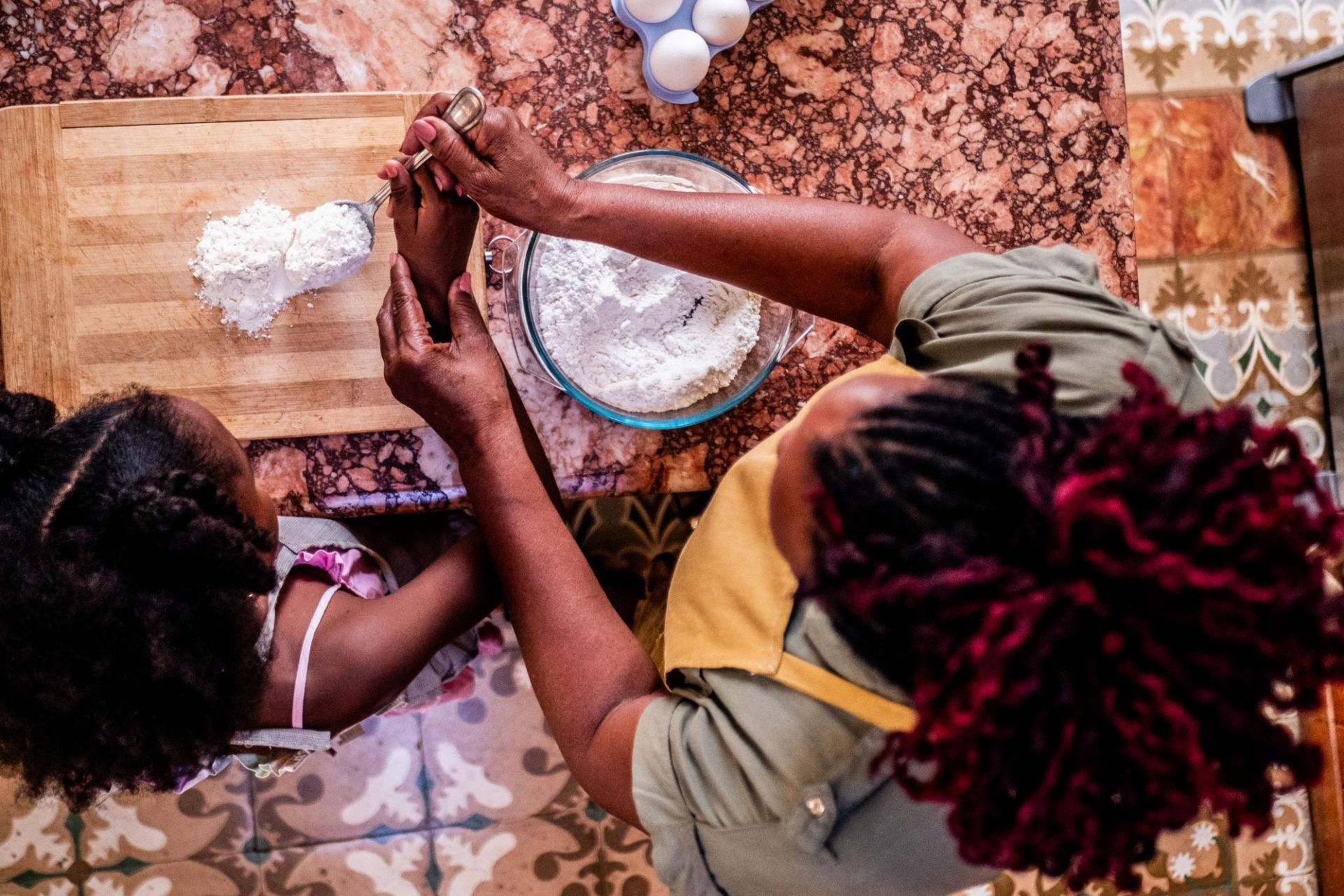
When someone chooses us to cater an event, purchases one of our made-from-scratch desserts, books Sweetgrass Hall, recommends us to a friend, or simply shares our name with someone looking for a caterer, that support reaches further than one transaction. It helps us continue doing what we love while creating opportunities to work with other businesses and people throughout our community.
And we're business owners, but we're customers too.
Supporting Black businesses means intentionally looking around our own community and discovering the baker, photographer, restaurant owner, event planner, designer, farmer, contractor, boutique owner, or other entrepreneur who may be able to provide exactly what we're looking for.
It doesn't mean that every purchase has to come from a Black-owned business. It simply means remembering that where we spend our money matters.
Black Wall Street showed us what is possible when entrepreneurship, opportunity, and community come together. Black Business Month gives us an opportunity to celebrate that legacy while also recognizing the Black entrepreneurs who are building businesses right now.
So this month, discover a Black-owned business you haven't tried before. Revisit one you already love. Tell somebody about them. Leave the review. Share the post. Buy the product. Book the service.
Because sometimes supporting a small business feels like one simple purchase.
To the business owner, it can mean so much more.