
The Flavors of Freedom
Juneteenth is a celebration of freedom, resilience, and the enduring strength of Black communities. While many people associate the holiday with parades, festivals, and family gatherings, for many of us, some of the most meaningful celebrations happen around the table.
Food has always been more than nourishment. It is memory. It is tradition. It is a way of passing stories from one generation to the next.
Growing up in the Lowcountry, dishes like red rice, okra soup, and collard greens weren't considered special occasion foods—they were simply part of life. They were the dishes prepared by mothers, grandmothers, aunts, and neighbors who understood that feeding people was an act of love.
Red rice, one of the most recognizable dishes in Gullah Geechee cuisine, tells a story of African influence, resourcefulness, and tradition. Made with rice, tomatoes, and seasonings, it has been a staple of Lowcountry tables for generations. While Juneteenth celebrations often feature red foods and beverages as symbols of resilience and sacrifice, red rice has long held a special place in our community as a dish that connects us to our heritage.
Okra soup is another dish deeply rooted in African traditions. Okra itself traveled across the Atlantic with enslaved Africans and became a cornerstone of Southern and Gullah Geechee cooking. Whether prepared with seafood, smoked meats, or vegetables, a pot of okra soup represents generations of cooks preserving culture through food.
Then there are collard greens. Slow-simmered and seasoned with care, collards have become a symbol of prosperity, perseverance, and family. Few dishes bring back memories quite like a pot of collard greens cooking on the stove, filling the house with a familiar aroma that signals a meal is on the way.
These dishes are more than recipes. They are reminders of where we came from and the people who came before us. They tell stories of hardship and triumph, creativity and survival, community and celebration.
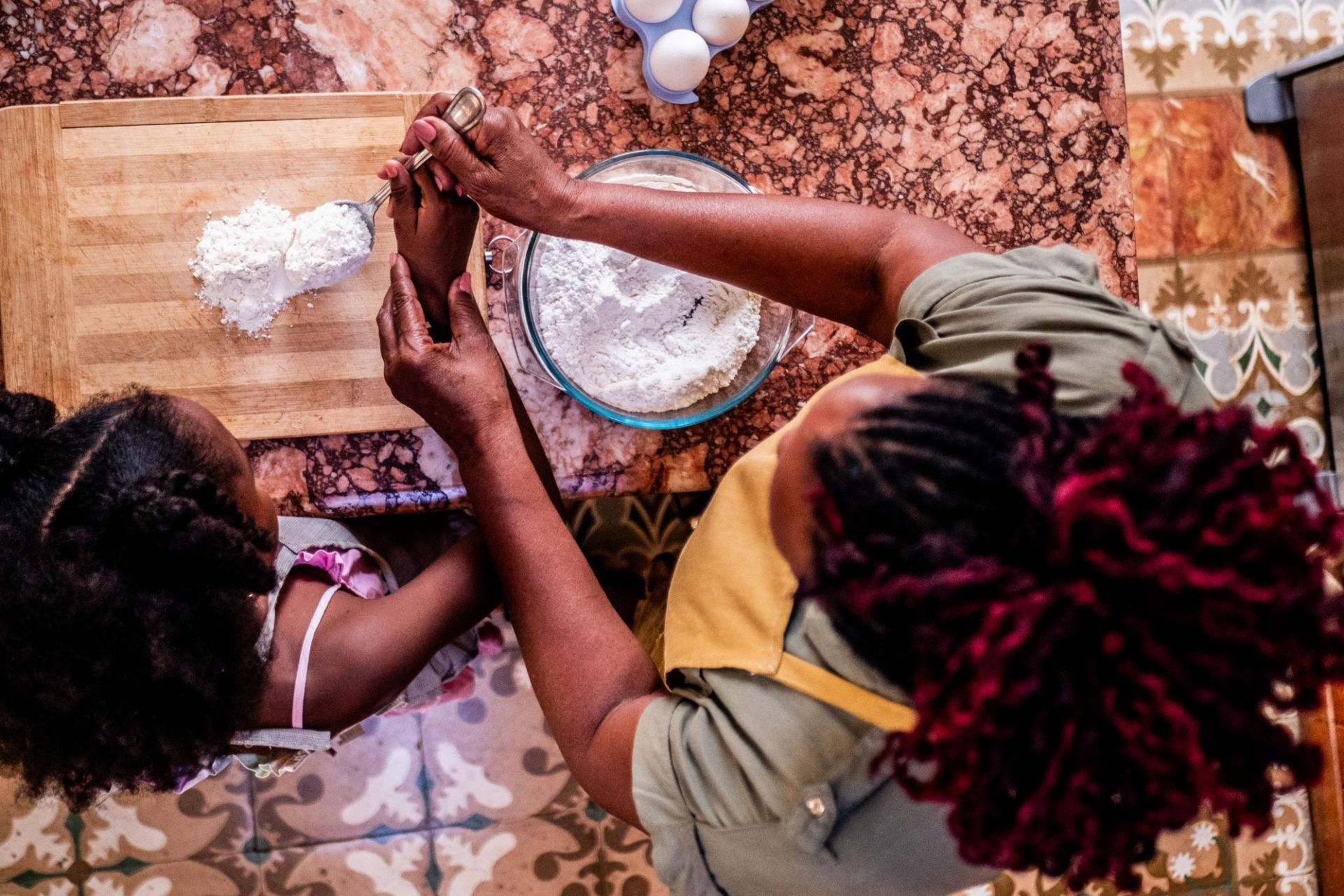
As we observe Juneteenth, we encourage you to take a moment to reflect on the recipes that have been passed down in your own family. Ask questions. Write them down. Cook them with your children and grandchildren. Share the stories behind them.
Because when we preserve our food traditions, we preserve our history.
And that is something worth celebrating.