
The Mosquito Fleet: The Fishermen Who Helped Feed Charleston
For nearly two centuries, long before refrigerated trucks and commercial seafood distributors, Charleston depended on a remarkable group of fishermen known as the Mosquito Fleet. These men supplied much of the fresh fish, shrimp, crabs, and oysters that found their way onto Lowcountry tables and helped shape Charleston's seafood culture.
The Mosquito Fleet was made up primarily of African American and Gullah Geechee fishermen who worked the waters surrounding Charleston Harbor. Before emancipation, many of these fishermen were enslaved men who used handmade boats, homemade sails, hand-tied nets, and their extensive knowledge of the tides and waterways to harvest seafood. Some traveled as far as twenty miles offshore without navigational equipment.
The fleet's unusual name comes from a local legend. It is said that the daughter of General Charles Cotesworth Pinckney looked out across the harbor and saw dozens of small sailboats returning from the sea. From a distance, their sails appeared like a swarm of mosquitoes buzzing across the horizon, and the name "Mosquito Fleet" stuck.
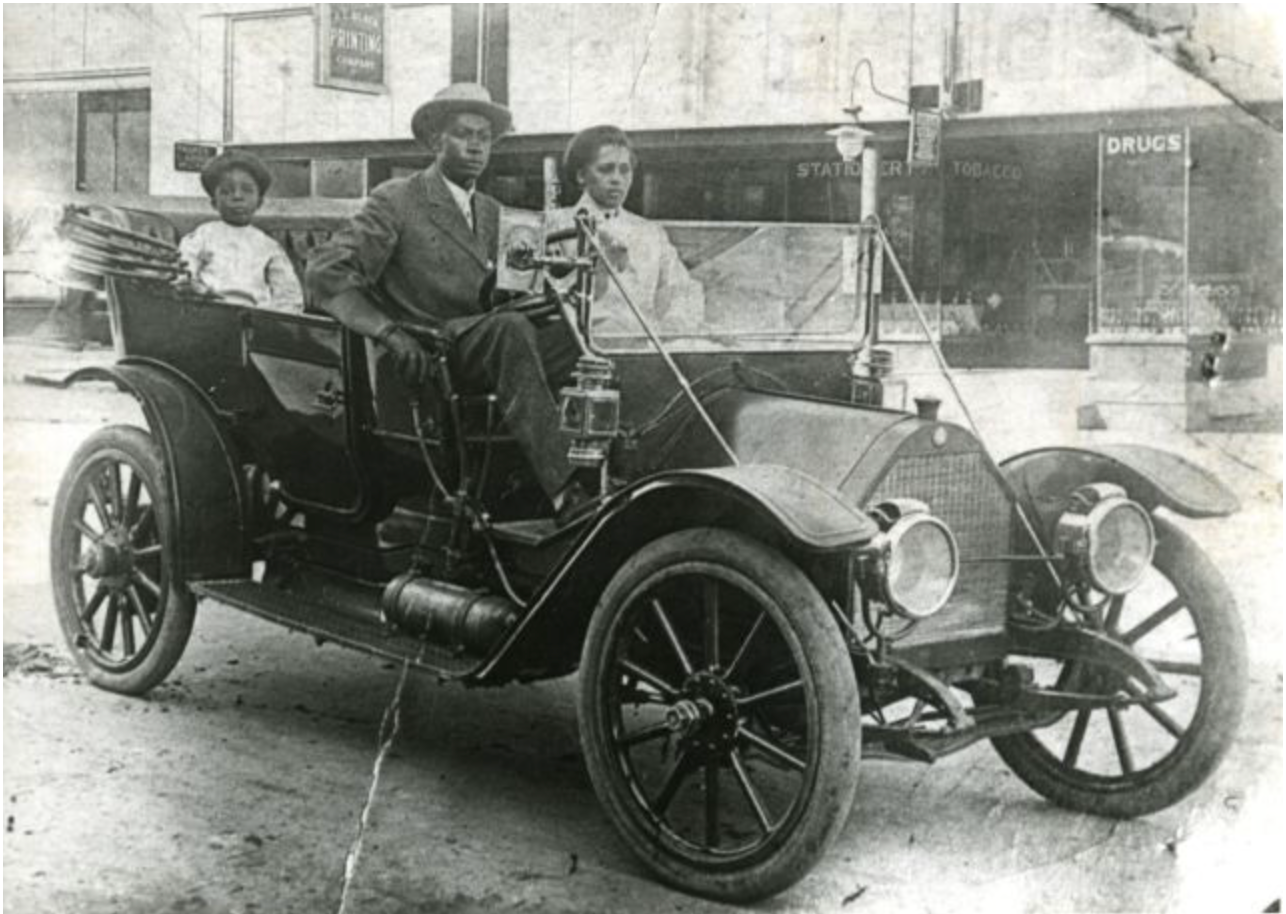
After the Civil War, many formerly enslaved fishermen continued their trade as free men. Fishing became one of the few paths to economic independence available to Black Charlestonians. Fathers taught sons how to read the tides, mend nets, harvest oysters, and navigate the coastal waters. Their catches supplied local markets, restaurants, street vendors, and families throughout Charleston.
The fleet became a familiar sight along the Charleston waterfront. Each day, residents gathered to watch the boats return and purchase fresh seafood directly from the fishermen. The shrimp for shrimp and grits, the oysters for oyster roasts, and the fish that appeared on dinner tables across the city often came from these hardworking watermen.
As the twentieth century progressed, however, the industry began to change. Larger commercial fishing operations, motorized vessels, refrigeration, waterfront development, and changing economic opportunities reduced the need for the small wooden boats that had once dominated the harbor. By the 1970s, only a handful of Mosquito Fleet fishermen remained. Hurricane Hugo dealt another devastating blow in 1989 when it destroyed the historic dock used by the fleet.
Today, the Mosquito Fleet no longer sails into Charleston Harbor each morning. The boats are gone, and many of the fishermen's stories have faded with time. Yet their legacy lives on through the Gullah Geechee communities that continue to preserve the traditions of the Lowcountry and through the seafood dishes that remain at the heart of Charleston's culinary identity.
Every time we enjoy a bowl of shrimp and grits, a seafood boil, fried fish, or an oyster roast, we are experiencing a tradition that was shaped in part by the men of the Mosquito Fleet. Their knowledge of the water, their perseverance, and their contributions to Charleston's food culture deserve to be remembered.
The next time you enjoy fresh local seafood, take a moment to think about the generations of Gullah Geechee fishermen who helped feed a city—one small boat at a time.