
The Story Our Food Still Tells
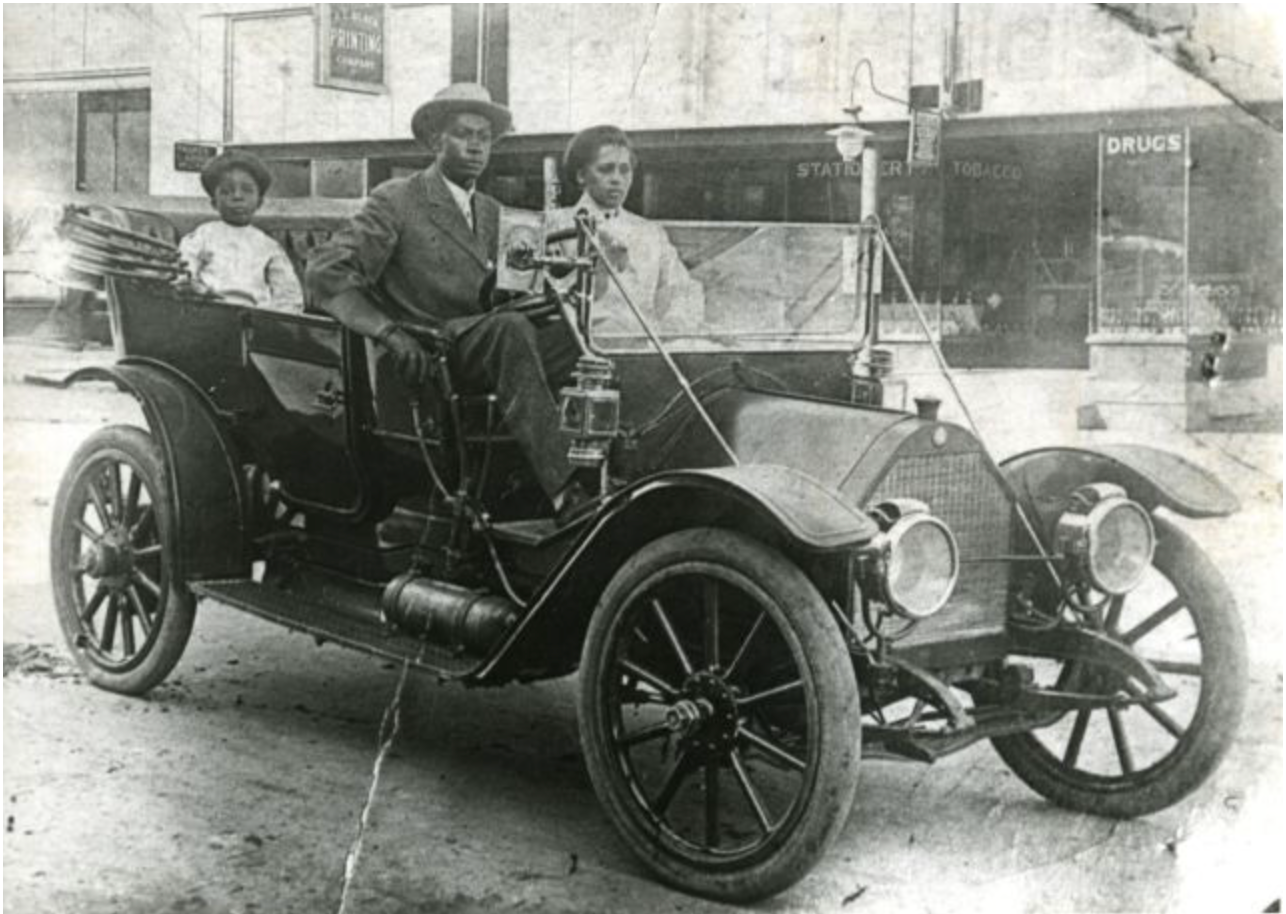
When people think about the Great Migration, they often think about families leaving the South in search of better jobs and new opportunities. Between 1916 and 1970, more than six million African Americans relocated from the rural South to cities like Chicago, Detroit, New York, Philadelphia, and Los Angeles. But they didn't leave everything behind.
They packed more than suitcases—they carried recipes, traditions, and memories.
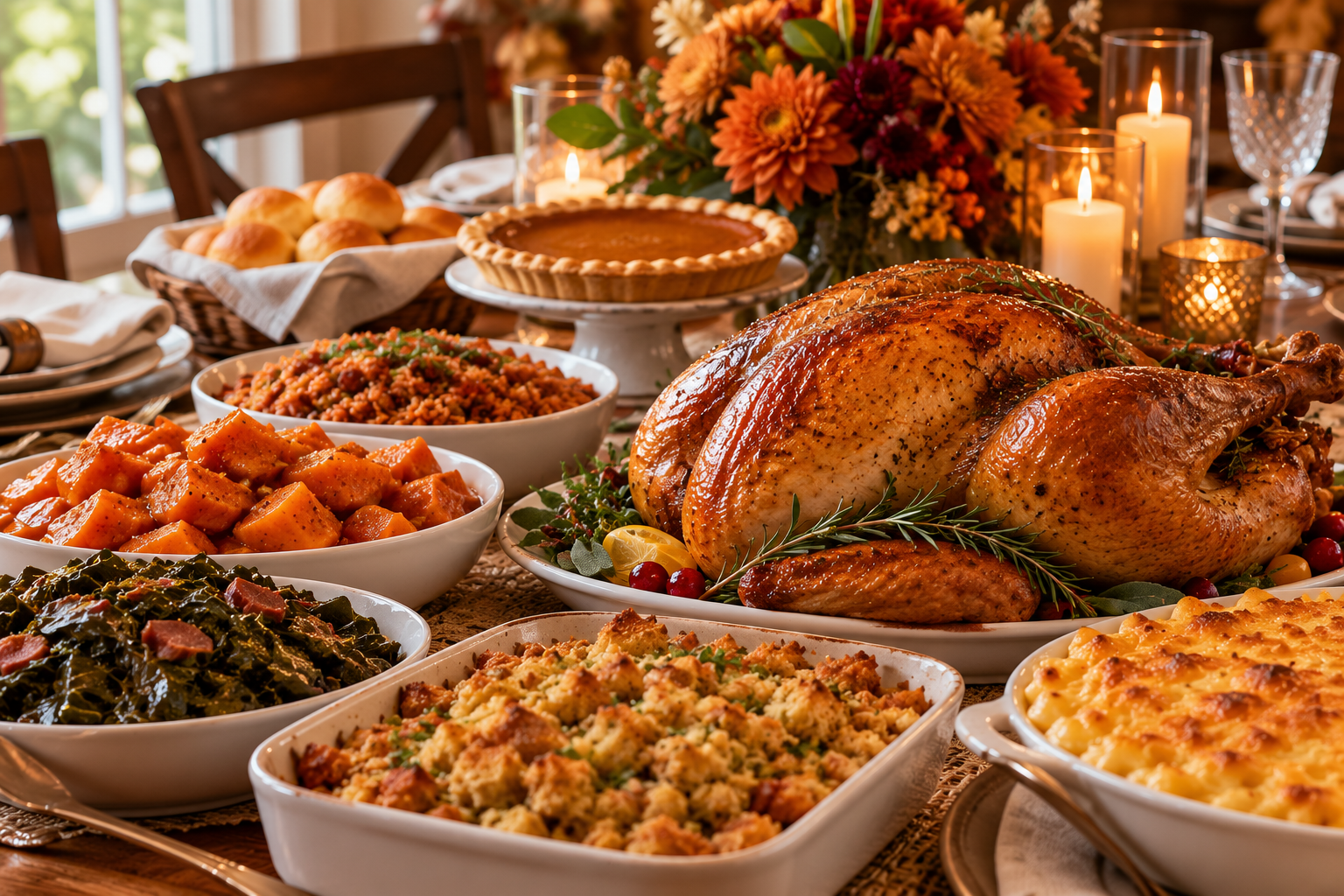
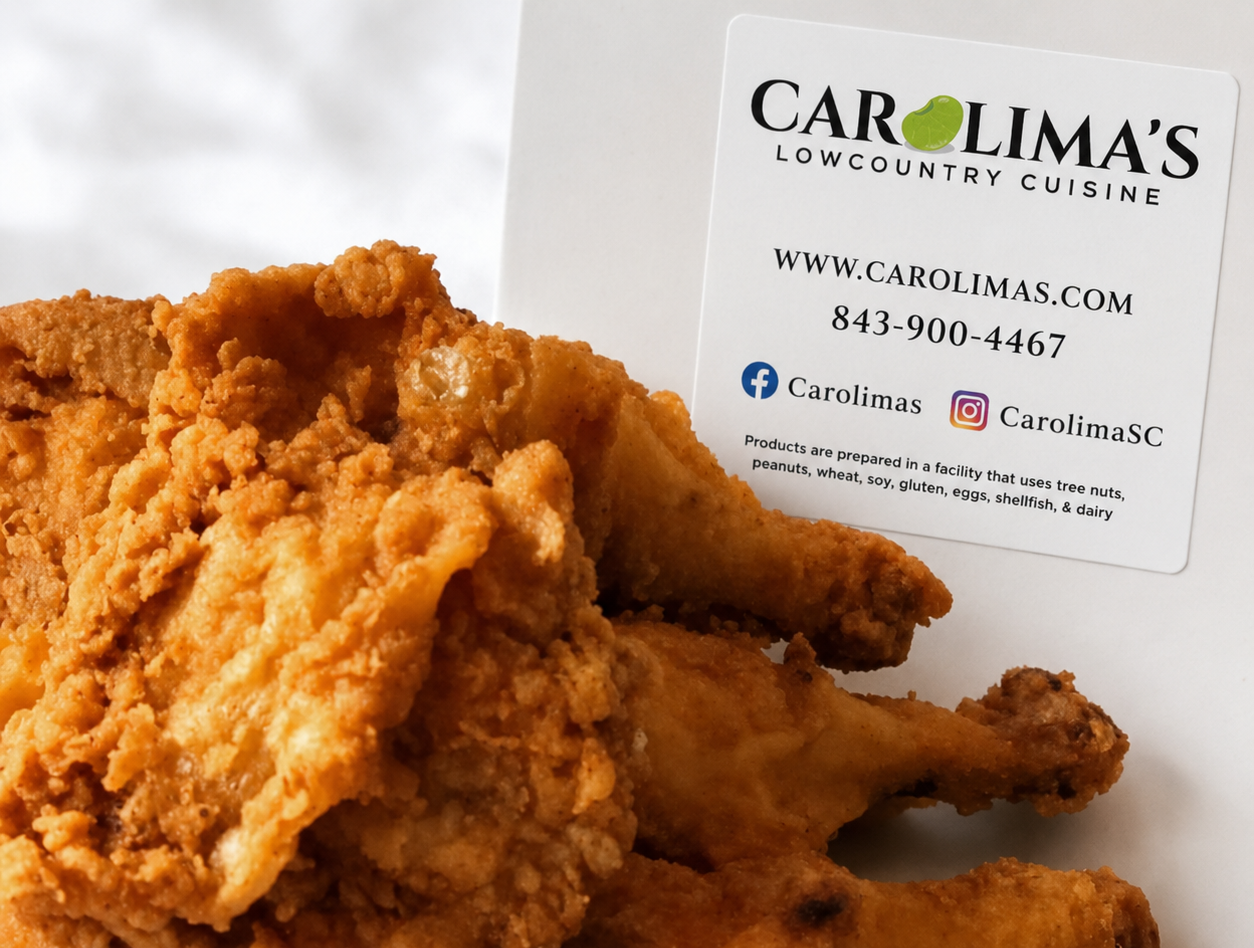
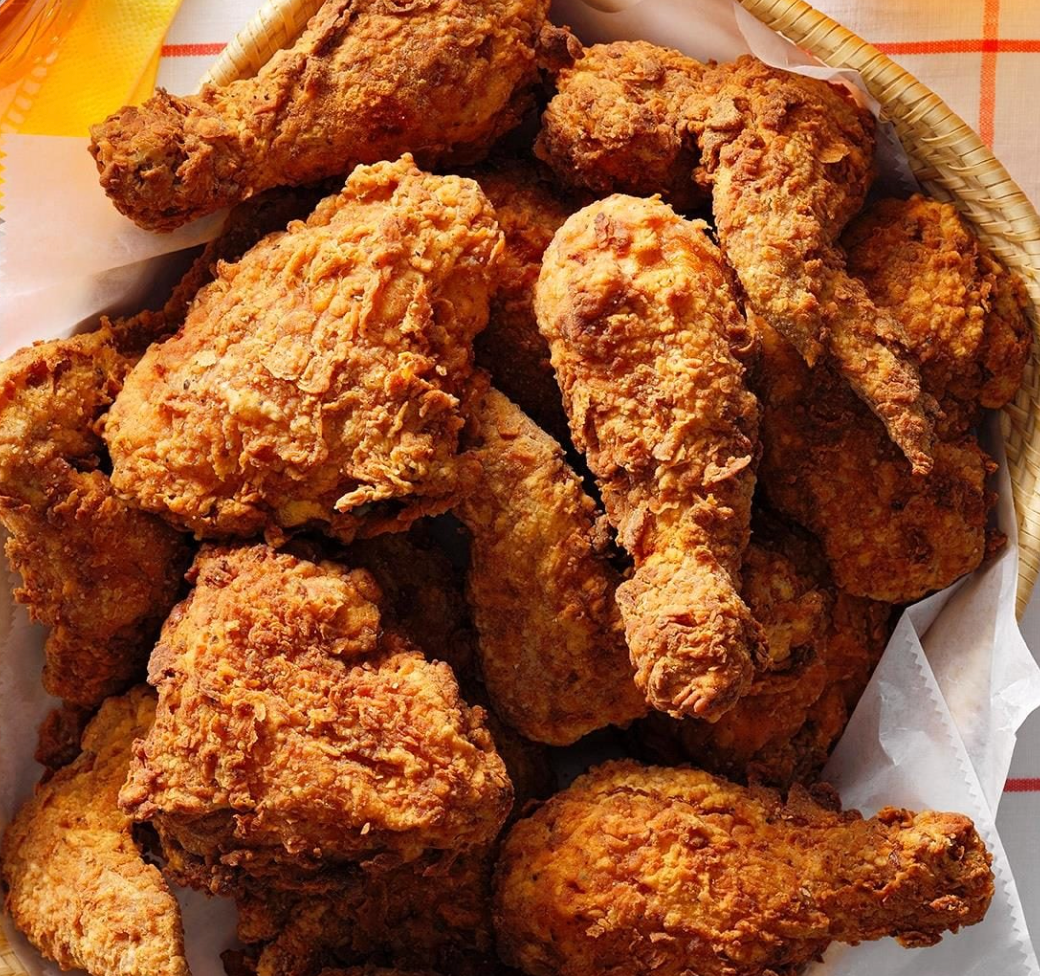
Food became a way to stay connected to home. A pot of collard greens, a skillet of cornbread, red rice, fried chicken, or a slow-cooked pot of beans could instantly bring back memories of Sunday dinners, family reunions, and kitchens where recipes were shared from one generation to the next. These dishes offered comfort in unfamiliar places and helped build a sense of community wherever people settled.
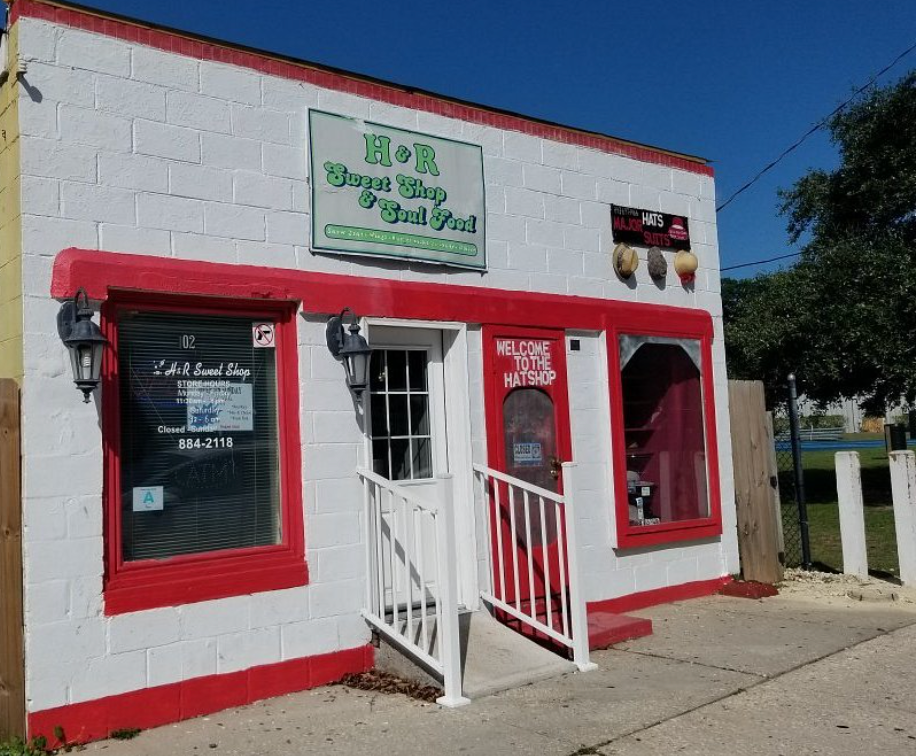
As Black families established new lives across the country, Southern cooking began influencing American cuisine in remarkable ways. Neighborhood restaurants, church dinners, family-owned cafés, and barbecue joints introduced communities to flavors rooted in the South. Over time, recipes evolved as cooks blended local ingredients with traditions they had brought from home, creating new regional favorites while honoring the dishes they grew up eating.
One of the best examples of this evolution is shrimp and grits. Long before it appeared on upscale restaurant menus, it was a simple, hearty breakfast enjoyed by Gullah Geechee fishermen along the South Carolina and Georgia coast. Fresh shrimp from nearby waters were served over stone-ground grits and often finished with a rich brown gravy made from the pan drippings—a humble, comforting meal that reflected the ingredients people had on hand.
As the dish traveled beyond the Lowcountry, it began to change. Today, you'll find shrimp and grits topped with lobster, smoked gouda, truffle oil, Cajun cream sauce, tomatoes, bacon, and countless chef-inspired variations. While these interpretations have introduced the dish to new audiences, they're a far cry from the original. The traditional Lowcountry version wasn't meant to be extravagant—it celebrated fresh local shrimp, creamy grits, and a savory brown gravy that brought everything together. Sometimes, the simplest recipes tell the richest stories.
The Great Migration didn't just reshape where people lived—it reshaped America's table. It introduced Southern traditions to new communities while allowing recipes to evolve with each generation. Yet no matter how far these dishes traveled or how many new ingredients were added, their roots remain firmly planted in the kitchens of the South.
Here in the Lowcountry, Gullah Geechee cuisine continues to preserve those traditions. Every bowl of okra soup, plate of Charleston red rice, serving of shrimp and grits, or slice of cornbread is more than a meal—it's a connection to the people who came before us and a reminder that our stories are often told one recipe at a time.
The next time you enjoy a family recipe, remember that it may have traveled hundreds of miles before arriving on your plate. Behind every bite is a story of resilience, hope, and the determination to preserve culture through food.
Sometimes, the most meaningful journeys aren't found on a map—they're served around the table.