
From the Schoolhouse to the Lunchbox
Back-to-school season means new teachers, new routines, and, for parents, figuring out what these children are going to eat every day. But as another school year begins, it's also a reminder of how much the school experience has changed for Black children—including what's on their plates.
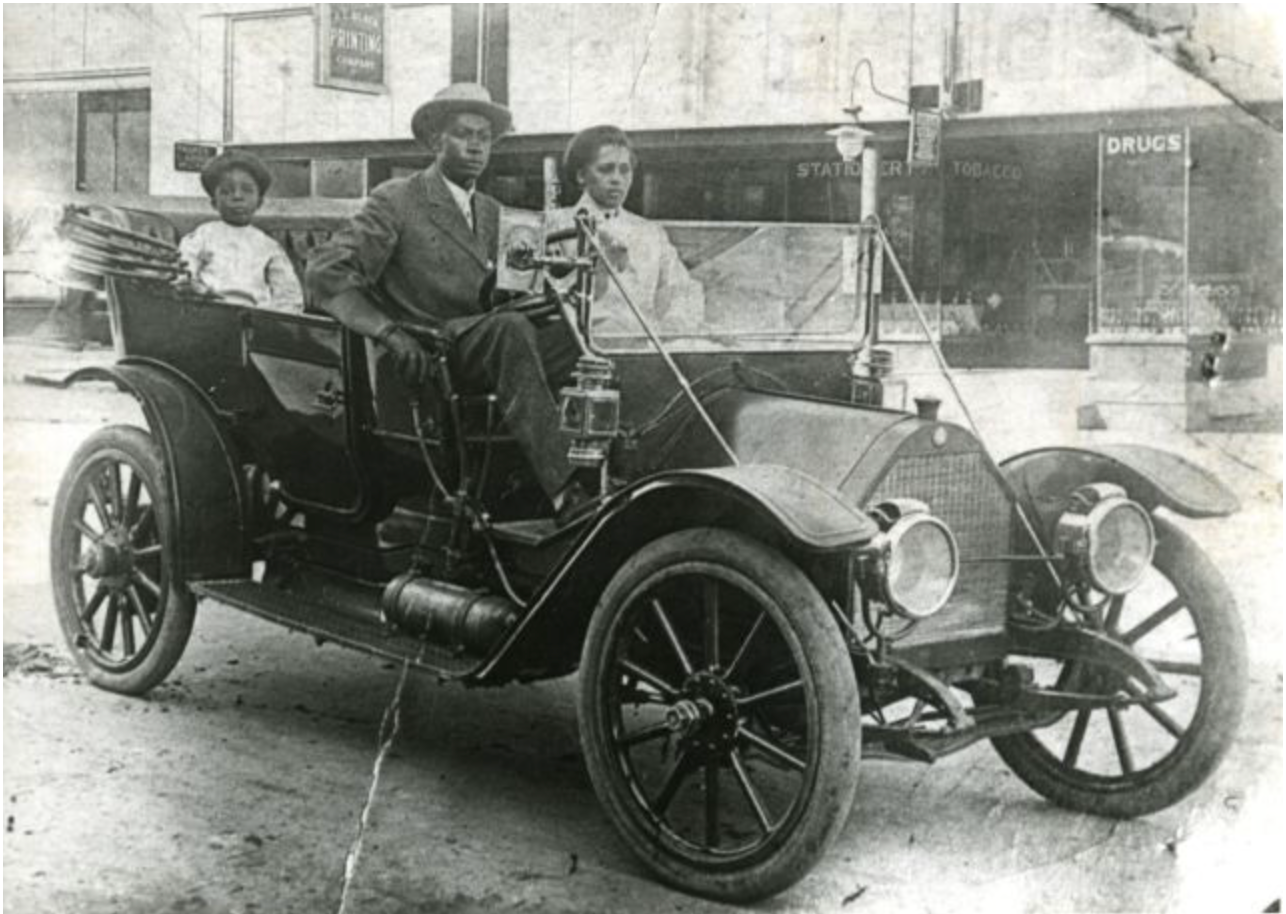
For generations of Black Americans, education represented opportunity and freedom. During slavery, learning to read and write was often restricted or prohibited, yet Black people still found ways to learn and teach one another. After emancipation, newly freed Black communities made education a priority, establishing schools and fighting for opportunities that had long been denied to them.
Even after schools were established, segregation meant Black children often attended schools with fewer resources. Families, teachers, churches, and communities stepped in to fill the gaps. Over generations, the fight moved from simply gaining access to education to demanding equal opportunities for Black students.
And while the classroom was changing, school lunch was changing too.
Remember When Lunch Looked Different?
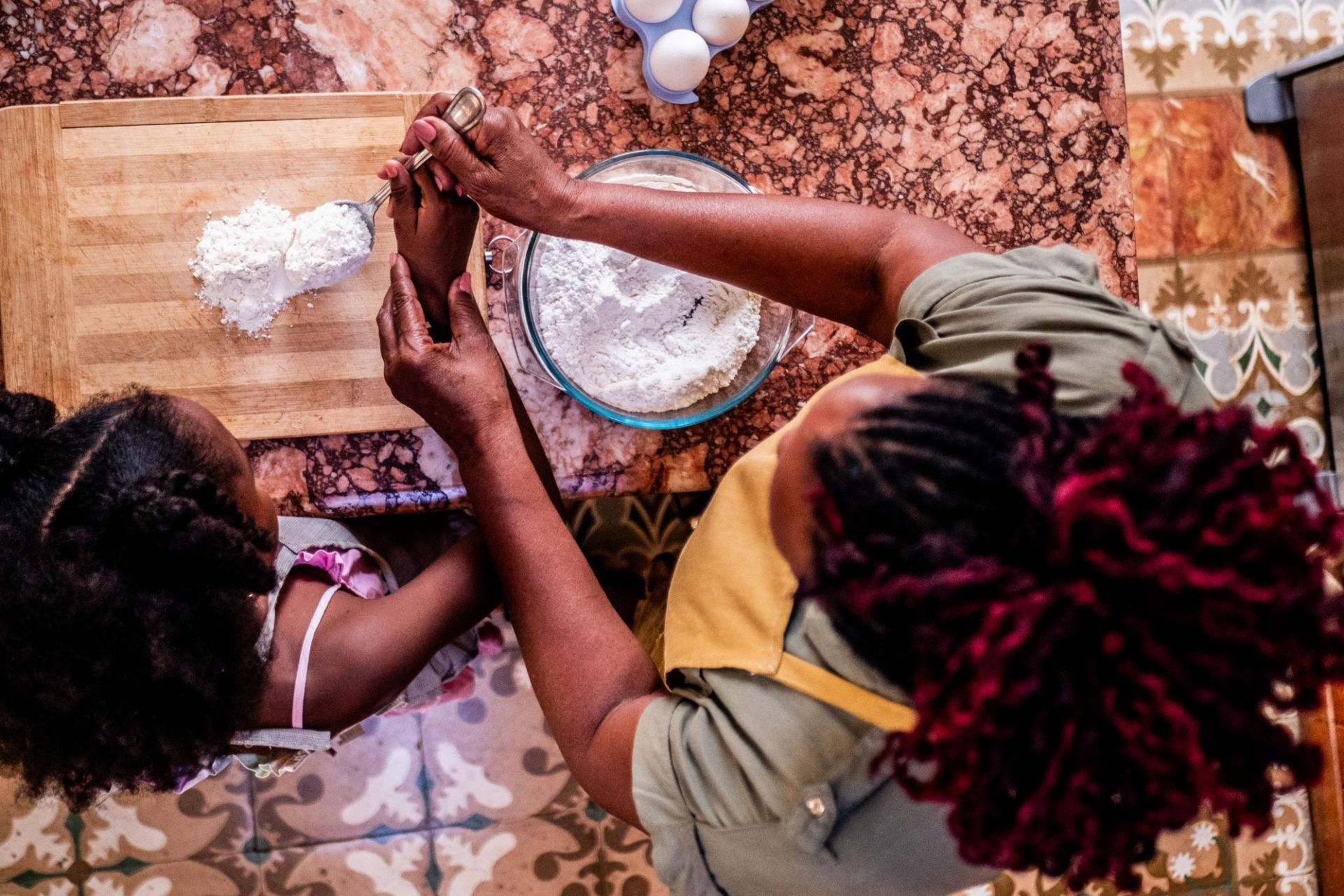
For some of our grandparents and great-grandparents, lunch might have been whatever could be prepared at home with what the family had available—a biscuit, leftover meat, fruit, cornbread, or another simple meal.
As school meal programs expanded, hot cafeteria lunches became part of the school experience. Generations grew up eating everything from meatloaf and vegetables to those unforgettable rectangular slices of school pizza.
Then came the lunchboxes many of us remember: sandwiches, chips, juice boxes, fruit cups, cookies, and maybe a handwritten note from Mama.
And now? School lunch looks completely different.
Open a child's lunchbox today and you might find wraps, yogurt, fresh berries, hummus, pasta, chicken nuggets in a thermos, or a little charcuterie-style lunch with everything divided into its own compartment. Kids have more options—and many of them have much stronger opinions about what they're willing to eat!
Children are also exposed to foods from around the world much earlier. A child's favorite meal today might be tacos, sushi, pasta, or another dish that previous generations rarely, if ever, encountered in a school cafeteria.
Our lives have changed too. Families are busier, convenience plays a bigger role, and the way we shop, cook, and prepare meals has evolved.
But one thing hasn't changed: food is still a connection to home.
Whether it was cornbread wrapped up for lunch generations ago or today's perfectly organized lunchbox, feeding our children is one of the simplest ways we care for them.
As another school year begins, we're reminded of both how far we've come and how much has changed—from who had access to the classroom to what's packed inside the lunchbox.
Here's to a great school year—and to all the parents already wondering what they're packing for lunch tomorrow.