Flavor Starts Here: 5 Essentials for Gullah Geechee Cooking

Rachel Johnson • March 24, 2026

Gullah Geechee cooking is rooted in history, resilience, and deep cultural connection, with flavors that tell the story of West African influence in the Lowcountry. At the heart of this cuisine are simple, humble ingredients that transform into rich, soulful dishes. Whether you’re cooking a pot of okra soup or a comforting bowl of red rice, having the right pantry staples on hand is key to bringing these traditions to life.


One of the most essential staples is rice, often referred to as the foundation of Lowcountry cooking. Carolina Gold rice, in particular, holds historical significance and is used in dishes like red rice, chicken bog, and purloo. Another must-have is dried or fresh okra, an ingredient brought over from West Africa that adds both flavor and texture to stews and rice dishes. Okra is incredibly versatile—whether fried, stewed, or sautéed, it’s a cornerstone of Gullah Geechee kitchens.


Equally important is a selection of smoked meats, such as smoked turkey, ham hocks, or neck bones. These ingredients add depth and a signature savory richness to dishes like collard greens and field peas. Alongside that, beans and field peas—like red peas & lima beans—are pantry essentials that provide both nourishment and tradition, often cooked low and slow with smoked meats and spices.


Finally, no Gullah Geechee pantry is complete without a blend of bold seasonings and aromatics. Staples like onion, garlic, peppers, and a well-balanced mix of spices bring each dish to life, building layers of flavor that define this cuisine. Together, these pantry staples create the foundation for meals that are not only delicious but deeply rooted in heritage, community, and storytelling.


Want to bring these bold, soulful flavors to your table? Start with the right foundation. Book Carolima’s for your next gathering—and let us bring the taste of the Lowcountry straight to you.

By Kamryn Jenkins August 11, 2026
Every time we spend money, we make a choice about what businesses, families, and communities we help sustain. As we recognize Black Business Month this August, we've been thinking about what it really means to support a Black-owned business. Of course, making a purchase matters. But support can also look like sharing a business with a friend, leaving a review, booking a service, attending an event, engaging with a social media post, or simply telling someone, "You need to check them out." There is a long history behind Black entrepreneurship in America, and one of the most powerful examples can be found in Tulsa, Oklahoma. In the early 1900s, Tulsa's Greenwood District became home to a thriving Black community filled with entrepreneurs, professionals, and families building lives for themselves despite segregation. Greenwood had Black-owned restaurants, hotels, grocery stores, theaters, salons, medical offices, and other businesses. The concentration of Black wealth and entrepreneurship became so notable that the area came to be known as Black Wall Street . What made Greenwood so powerful wasn't simply the number of Black-owned businesses. It was the community surrounding them. People supported their neighbors. Business owners employed people from the community. Money spent at one business could become income that was spent at another. In a country where segregation often prevented Black Americans from freely participating in the broader economy, communities like Greenwood created their own opportunities. That success was devastatingly interrupted during the Tulsa Race Massacre of 1921 , when a white mob attacked Greenwood, killing residents and destroying homes and businesses across the district. Generations of property, businesses, and wealth were lost. Yet the story of Black Wall Street isn't only a story of destruction. It's also a story about what Black entrepreneurship had already accomplished—and what the community worked to rebuild afterward. More than a century later, that part of the story still resonates with us. Owning a business can mean creating something that extends far beyond the person whose name is on the paperwork. A small business hires employees, pays other vendors, works with local professionals, supports community organizations, creates opportunities, and often opens doors for another entrepreneur coming behind them. We see that firsthand at Carolima's. When someone chooses us to cater an event, purchases one of our made-from-scratch desserts, books Sweetgrass Hall, recommends us to a friend, or simply shares our name with someone looking for a caterer, that support reaches further than one transaction. It helps us continue doing what we love while creating opportunities to work with other businesses and people throughout our community. And we're business owners, but we're customers too. Supporting Black businesses means intentionally looking around our own community and discovering the baker, photographer, restaurant owner, event planner, designer, farmer, contractor, boutique owner, or other entrepreneur who may be able to provide exactly what we're looking for. It doesn't mean that every purchase has to come from a Black-owned business. It simply means remembering that where we spend our money matters. Black Wall Street showed us what is possible when entrepreneurship, opportunity, and community come together. Black Business Month gives us an opportunity to celebrate that legacy while also recognizing the Black entrepreneurs who are building businesses right now. So this month, discover a Black-owned business you haven't tried before. Revisit one you already love. Tell somebody about them. Leave the review. Share the post. Buy the product. Book the service. Because sometimes supporting a small business feels like one simple purchase.  To the business owner, it can mean so much more.

By Kamryn Jenkins August 11, 2026
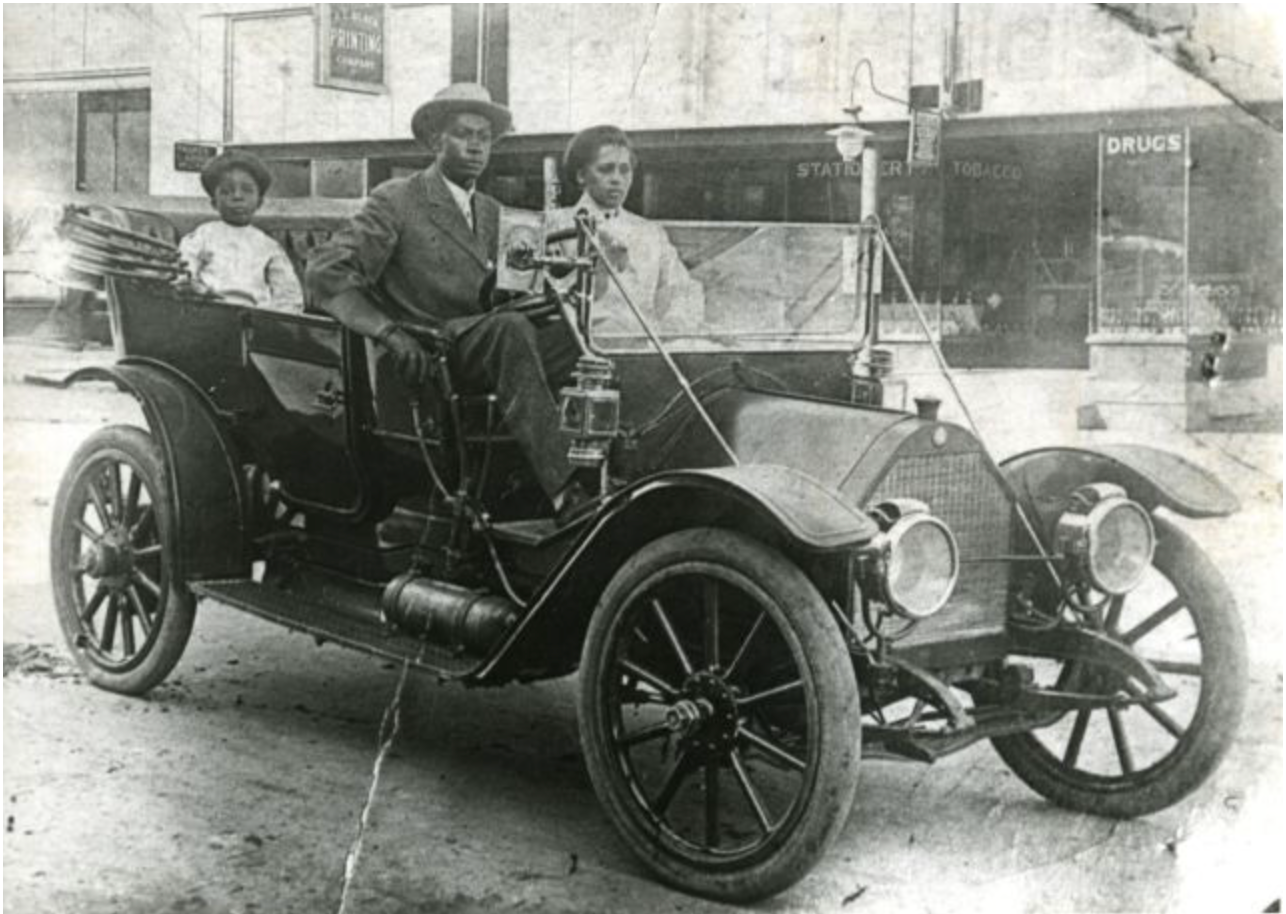
Travel has a way of reminding you that no two places are exactly alike. Our Carolima's family recently returned from celebrating birthdays in Italy, and one of the biggest takeaways was how different each city felt. We explored six cities, and every destination had its own personality. Some places made it easy to hop in a taxi, while others required a little more patience and planning. We found ourselves riding ferries from one coastal town to the next, taking in breathtaking views and realizing that sometimes the journey is just as memorable as the destination. Of course, no trip is complete without discovering the local food. One thing we learned quickly? Naples is all about pizza—not pasta! Every region seemed to have its own specialties and traditions, which made each meal feel like a new experience. One of the highlights of our trip was taking a hands-on cooking class where we learned to make gnocchi from scratch, eggplant Parmigiano, tiramisu, and limoncello. There was something special about preparing recipes that have been passed down for generations and seeing firsthand the pride that goes into every dish. Perhaps the biggest culture shock came at the dinner table. One evening, we were ready to head to our next stop, so we asked for the check before we had finished eating. Back home, that's pretty normal. In Italy? Not so much. Our server waited until we had finished our meal before bringing the bill. It wasn't that they couldn't bring it sooner—it was simply a reminder that meals are meant to be enjoyed, not rushed. Conversation is part of the experience. The food deserves your attention. Time slows down around the table. As chefs, that lesson stayed with us. Food isn't just about what's on the plate. It's about the people you're sharing it with, the stories behind the recipes, and the traditions that have been carried from one generation to the next. Those are values we hold close at Carolima's, and it was inspiring to see them celebrated in another part of the world. Standing in another country also gave us a chance to reflect on something much bigger. Today, we're able to book a flight, explore new places, and immerse ourselves in cultures around the world. But for many African Americans, travel wasn't always that simple. Families once relied on The Negro Motorist Green Book to find safe places to eat, sleep, and refuel while traveling across the United States. What we often see as an ordinary vacation today represents opportunities that previous generations fought to make possible. That perspective made this trip even more meaningful. We returned home with full camera rolls and unforgettable memories, but we also came back with a renewed appreciation for slowing down, embracing different cultures, and never taking the freedom to explore for granted. Every destination has a story to tell, and every meal offers a glimpse into the people and traditions that make a place unique.  As we unpack our suitcases, we're reminded that the best souvenirs aren't always something you can hold in your hand. Sometimes they're the lessons you learn, the people you meet, and the memories you create along the way.
By Kamryn Jenkins July 21, 2026
When people think about the Great Migration, they often think about families leaving the South in search of better jobs and new opportunities. Between 1916 and 1970, more than six million African Americans relocated from the rural South to cities like Chicago, Detroit, New York, Philadelphia, and Los Angeles. But they didn't leave everything behind. They packed more than suitcases—they carried recipes, traditions, and memories. Food became a way to stay connected to home. A pot of collard greens, a skillet of cornbread, red rice, fried chicken, or a slow-cooked pot of beans could instantly bring back memories of Sunday dinners, family reunions, and kitchens where recipes were shared from one generation to the next. These dishes offered comfort in unfamiliar places and helped build a sense of community wherever people settled. As Black families established new lives across the country, Southern cooking began influencing American cuisine in remarkable ways. Neighborhood restaurants, church dinners, family-owned cafés, and barbecue joints introduced communities to flavors rooted in the South. Over time, recipes evolved as cooks blended local ingredients with traditions they had brought from home, creating new regional favorites while honoring the dishes they grew up eating. One of the best examples of this evolution is shrimp and grits. Long before it appeared on upscale restaurant menus, it was a simple, hearty breakfast enjoyed by Gullah Geechee fishermen along the South Carolina and Georgia coast. Fresh shrimp from nearby waters were served over stone-ground grits and often finished with a rich brown gravy made from the pan drippings—a humble, comforting meal that reflected the ingredients people had on hand. As the dish traveled beyond the Lowcountry, it began to change. Today, you'll find shrimp and grits topped with lobster, smoked gouda, truffle oil, Cajun cream sauce, tomatoes, bacon, and countless chef-inspired variations. While these interpretations have introduced the dish to new audiences, they're a far cry from the original. The traditional Lowcountry version wasn't meant to be extravagant—it celebrated fresh local shrimp, creamy grits, and a savory brown gravy that brought everything together. Sometimes, the simplest recipes tell the richest stories. The Great Migration didn't just reshape where people lived—it reshaped America's table. It introduced Southern traditions to new communities while allowing recipes to evolve with each generation. Yet no matter how far these dishes traveled or how many new ingredients were added, their roots remain firmly planted in the kitchens of the South. Here in the Lowcountry, Gullah Geechee cuisine continues to preserve those traditions. Every bowl of okra soup, plate of Charleston red rice, serving of shrimp and grits, or slice of cornbread is more than a meal—it's a connection to the people who came before us and a reminder that our stories are often told one recipe at a time. The next time you enjoy a family recipe, remember that it may have traveled hundreds of miles before arriving on your plate. Behind every bite is a story of resilience, hope, and the determination to preserve culture through food.  Sometimes, the most meaningful journeys aren't found on a map—they're served around the table.
By Kamryn Jenkins July 7, 2026
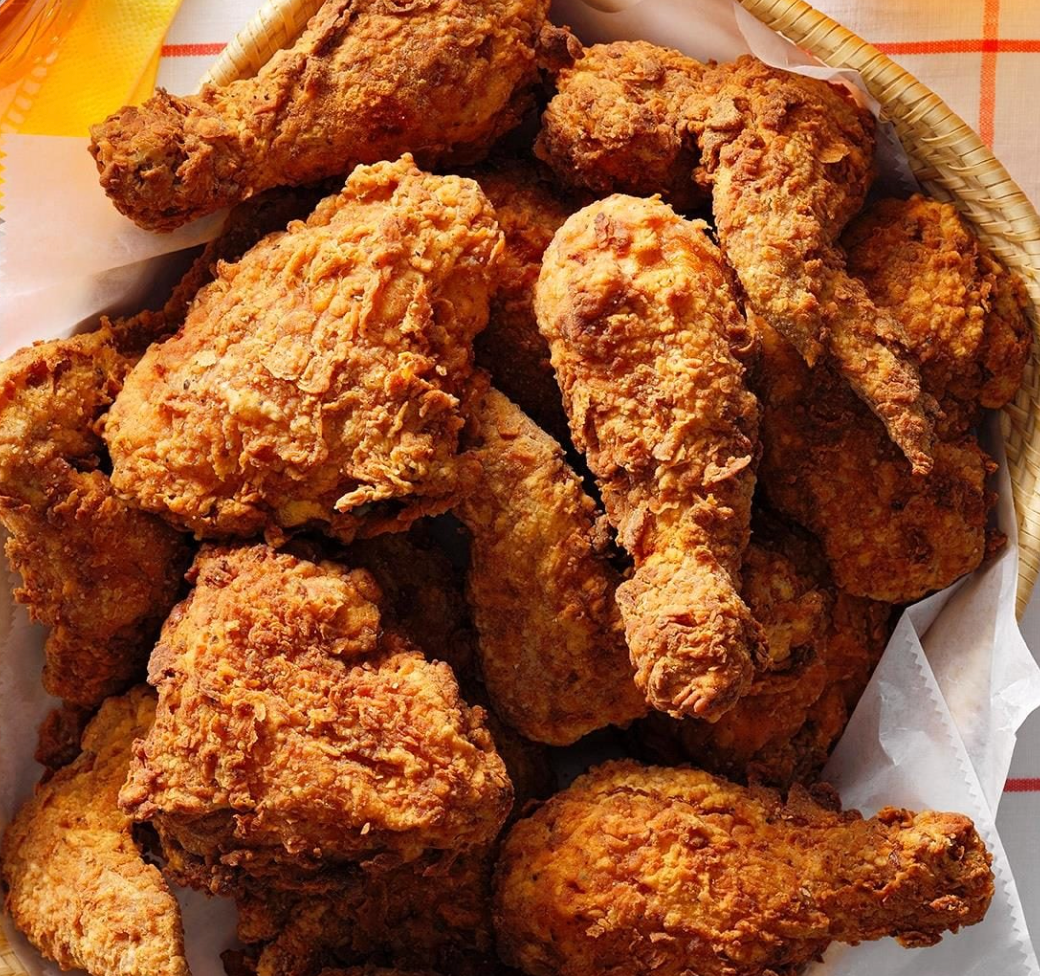
Golden, crispy, and deeply rooted in Southern history, fried chicken is much more than a comfort food. Behind every perfectly seasoned piece is a story of resilience, resourcefulness, entrepreneurship, and family traditions that have been passed down for generations. This week, as we celebrate National Fried Chicken Day and prepare for tomorrow's (Wednesday, July 8th) Green Plate Special, we thought it was the perfect opportunity to share the history behind one of the South's most recognizable dishes. Historians believe the fried chicken we know today emerged from the blending of Scottish frying techniques with the seasoning traditions and culinary expertise of West Africans. Together, those influences created a dish that would become a cornerstone of Southern cuisine. After emancipation, fried chicken became much more than comfort food. For many Black families, chickens were one of the few animals they could own and raise. They provided both food and income, making fried chicken an affordable meal and, for some, the centerpiece of small businesses. Black women sold fried chicken at churches, train stations, community gatherings, and roadside stands, using their cooking skills to support their families and build financial independence. Unfortunately, as Black entrepreneurs found success, fried chicken also became the subject of harmful racial stereotypes. Images and advertisements were created to mock African Americans and diminish the significance of a food that had become associated with Black resilience and self-sufficiency. Those stereotypes lingered for generations, overshadowing the true history of the dish. Today, we choose to remember a different story. We remember grandparents standing over cast-iron skillets, carefully turning each piece until it reached the perfect golden brown. We remember recipes that weren't written down but were learned by watching, tasting, and cooking alongside the people who came before us. We remember Sunday dinners where the platter of fried chicken always seemed to disappear first and celebrations where everyone hoped to snag the last piece. At Carolima's, fried chicken isn't just one of our most requested dishes—it's a reflection of the traditions that continue to bring people together. Every plate represents generations of knowledge, hospitality, and love passed from one kitchen to the next. It's a reminder that some of the best recipes aren't just made with flour and spices—they're seasoned with history. So, if you're joining us for tomorrow's (Wednesday, July 8th) Green Plate Special, know that you're enjoying more than a delicious meal. You're sharing in a tradition that has been passed down through generations and remains an important part of Southern and Gullah Geechee food culture. We'll see you tomorrow—come hungry!
By Kamryn Jenkins June 30, 2026
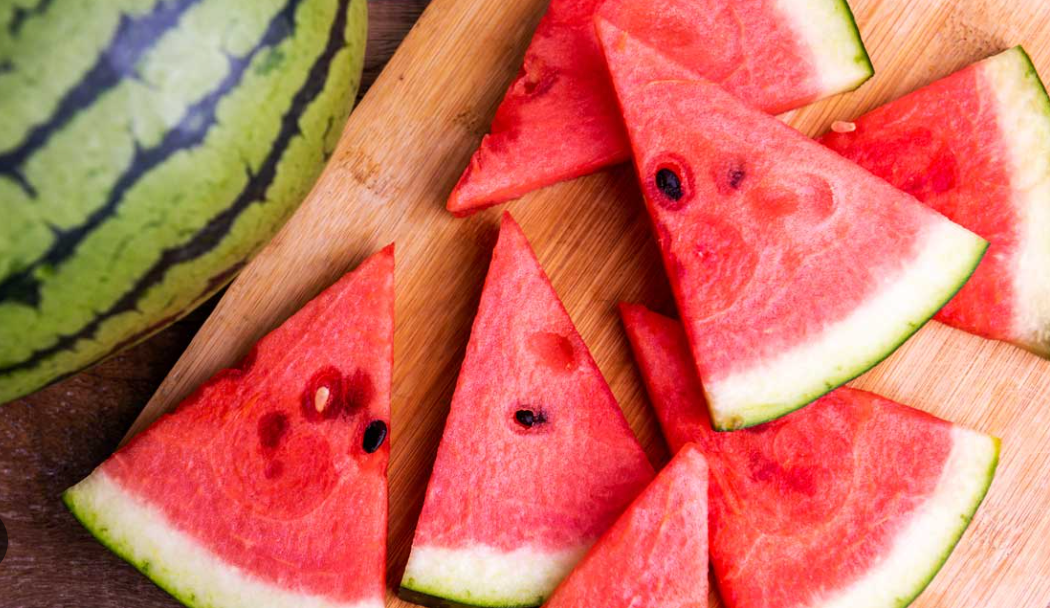
When you think of the Fourth of July, chances are a few things come to mind: the smell of barbecue on the grill, a pitcher of sweet tea, fresh corn on the cob, and a big slice of cold watermelon. For many families across the South, watermelon has become as much a part of summer celebrations as fireworks and family cookouts. But behind this refreshing fruit is a history that is deeply connected to African agriculture, Black entrepreneurship, and resilience. Watermelon didn't originate in America. It traces its roots to Africa, where it was cultivated thousands of years ago. Enslaved Africans brought with them generations of agricultural knowledge, including experience growing crops that could thrive in hot climates. As they worked the fields throughout the South, they continued to cultivate fruits and vegetables that reminded them of home, including watermelon, okra, rice, peas, and other staples that would become part of Southern cuisine. Following emancipation, watermelon took on an even greater significance. Many newly freed Black families grew and sold watermelon as a way to earn income, purchase land, and build independent businesses. Roadside stands, neighborhood markets, and family farms became symbols of economic freedom and self-sufficiency. Unfortunately, that success was met with resistance. During the late 1800s and early 1900s, racist cartoons, advertisements, and postcards began using watermelon as a way to mock African Americans. A fruit that had represented opportunity and independence was twisted into a harmful stereotype designed to diminish the achievements of newly freed Black Americans. Despite those efforts, watermelon never lost its place on the table. Today, it remains a staple at family reunions, church picnics, fish frys, Juneteenth celebrations, and Fourth of July cookouts throughout the South. In the Lowcountry, it's often one of the last things served before everyone settles in to watch the fireworks—a sweet ending to a day spent with family and friends. Here in Charleston, food has always told the story of the people who prepared it. Just like Carolina Gold rice, okra, collard greens, and red rice, watermelon reflects the lasting influence of Gullah Geechee culture and the agricultural knowledge passed down through generations. It reminds us that many of the foods we enjoy today are rooted in traditions that crossed the Atlantic and flourished here in the Lowcountry. So, as you gather around the table this Fourth of July, don't think of watermelon as just another side dish. Think of the generations of farmers, families, and communities who helped shape its story. Every slice carries a little piece of history—and every shared meal is another opportunity to honor it. From all of us at Carolima's, we wish you a safe, joyful, and delicious Fourth of July. May your grill stay hot, your tea stay cold, and your watermelon always be sweet.
By Kamryn Jenkins June 23, 2026
For nearly two centuries, long before refrigerated trucks and commercial seafood distributors, Charleston depended on a remarkable group of fishermen known as the Mosquito Fleet. These men supplied much of the fresh fish, shrimp, crabs, and oysters that found their way onto Lowcountry tables and helped shape Charleston's seafood culture. The Mosquito Fleet was made up primarily of African American and Gullah Geechee fishermen who worked the waters surrounding Charleston Harbor. Before emancipation, many of these fishermen were enslaved men who used handmade boats, homemade sails, hand-tied nets, and their extensive knowledge of the tides and waterways to harvest seafood. Some traveled as far as twenty miles offshore without navigational equipment. The fleet's unusual name comes from a local legend. It is said that the daughter of General Charles Cotesworth Pinckney looked out across the harbor and saw dozens of small sailboats returning from the sea. From a distance, their sails appeared like a swarm of mosquitoes buzzing across the horizon, and the name "Mosquito Fleet" stuck. After the Civil War, many formerly enslaved fishermen continued their trade as free men. Fishing became one of the few paths to economic independence available to Black Charlestonians. Fathers taught sons how to read the tides, mend nets, harvest oysters, and navigate the coastal waters. Their catches supplied local markets, restaurants, street vendors, and families throughout Charleston. The fleet became a familiar sight along the Charleston waterfront. Each day, residents gathered to watch the boats return and purchase fresh seafood directly from the fishermen. The shrimp for shrimp and grits, the oysters for oyster roasts, and the fish that appeared on dinner tables across the city often came from these hardworking watermen. As the twentieth century progressed, however, the industry began to change. Larger commercial fishing operations, motorized vessels, refrigeration, waterfront development, and changing economic opportunities reduced the need for the small wooden boats that had once dominated the harbor. By the 1970s, only a handful of Mosquito Fleet fishermen remained. Hurricane Hugo dealt another devastating blow in 1989 when it destroyed the historic dock used by the fleet. Today, the Mosquito Fleet no longer sails into Charleston Harbor each morning. The boats are gone, and many of the fishermen's stories have faded with time. Yet their legacy lives on through the Gullah Geechee communities that continue to preserve the traditions of the Lowcountry and through the seafood dishes that remain at the heart of Charleston's culinary identity. Every time we enjoy a bowl of shrimp and grits, a seafood boil, fried fish, or an oyster roast, we are experiencing a tradition that was shaped in part by the men of the Mosquito Fleet. Their knowledge of the water, their perseverance, and their contributions to Charleston's food culture deserve to be remembered. The next time you enjoy fresh local seafood, take a moment to think about the generations of Gullah Geechee fishermen who helped feed a city—one small boat at a time.
By Kamryn Jenkins June 16, 2026
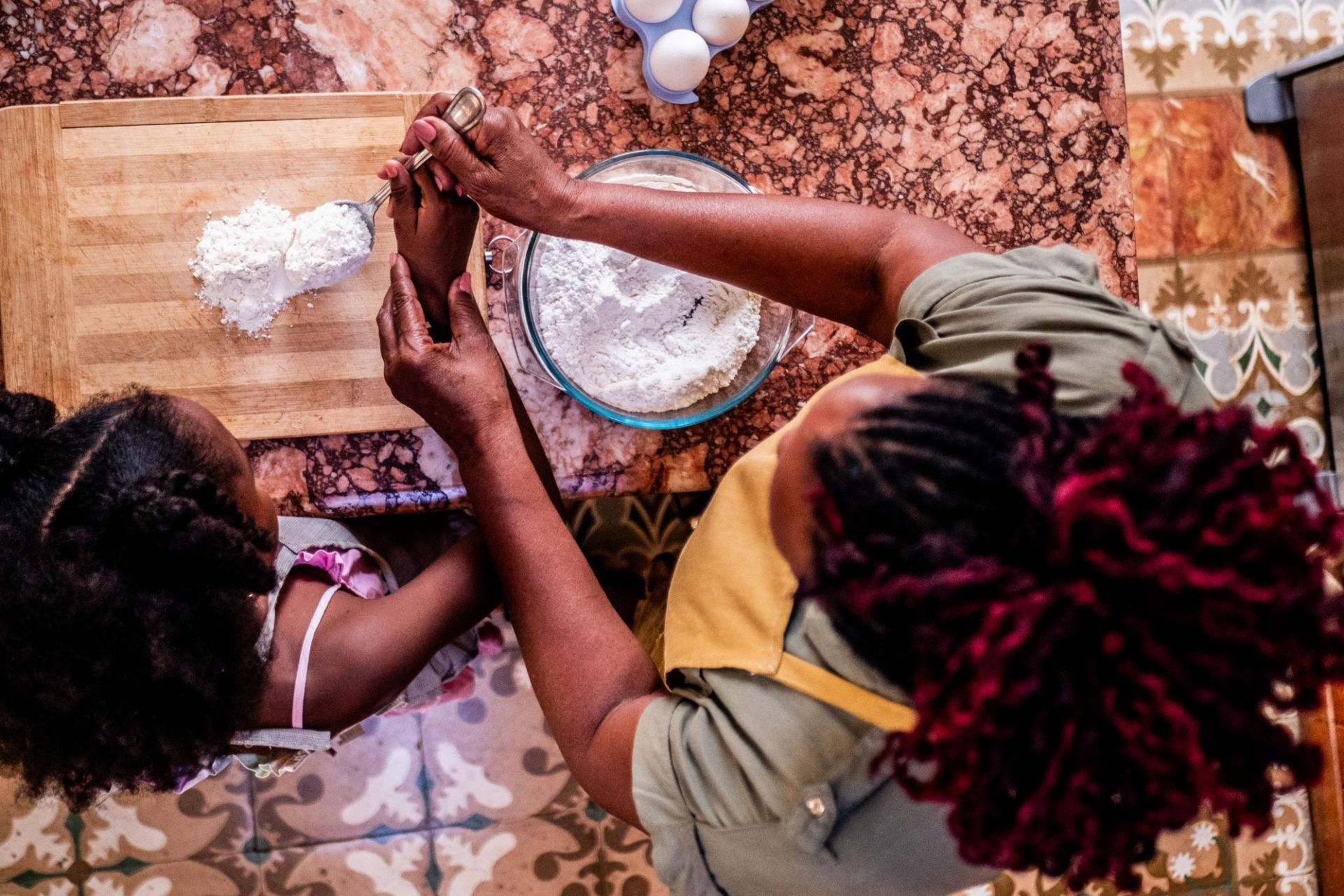
Juneteenth is a celebration of freedom, resilience, and the enduring strength of Black communities. While many people associate the holiday with parades, festivals, and family gatherings, for many of us, some of the most meaningful celebrations happen around the table. Food has always been more than nourishment. It is memory. It is tradition. It is a way of passing stories from one generation to the next. Growing up in the Lowcountry, dishes like red rice, okra soup, and collard greens weren't considered special occasion foods—they were simply part of life. They were the dishes prepared by mothers, grandmothers, aunts, and neighbors who understood that feeding people was an act of love. Red rice, one of the most recognizable dishes in Gullah Geechee cuisine, tells a story of African influence, resourcefulness, and tradition. Made with rice, tomatoes, and seasonings, it has been a staple of Lowcountry tables for generations. While Juneteenth celebrations often feature red foods and beverages as symbols of resilience and sacrifice, red rice has long held a special place in our community as a dish that connects us to our heritage. Okra soup is another dish deeply rooted in African traditions. Okra itself traveled across the Atlantic with enslaved Africans and became a cornerstone of Southern and Gullah Geechee cooking. Whether prepared with seafood, smoked meats, or vegetables, a pot of okra soup represents generations of cooks preserving culture through food. Then there are collard greens. Slow-simmered and seasoned with care, collards have become a symbol of prosperity, perseverance, and family. Few dishes bring back memories quite like a pot of collard greens cooking on the stove, filling the house with a familiar aroma that signals a meal is on the way. These dishes are more than recipes. They are reminders of where we came from and the people who came before us. They tell stories of hardship and triumph, creativity and survival, community and celebration. As we observe Juneteenth, we encourage you to take a moment to reflect on the recipes that have been passed down in your own family. Ask questions. Write them down. Cook them with your children and grandchildren. Share the stories behind them. Because when we preserve our food traditions, we preserve our history. And that is something worth celebrating.
Iced tea with a lemon wedge on a coaster in warm sunlight on a patio table
By Peter Brissette June 9, 2026
As National Iced Tea Day approaches on June 10, it's the perfect time to look at Charleston's surprising role in America's tea history and the Lowcountry traditions that turned a simple glass of tea into a symbol of Southern hospitality. Many people are surprised to learn that some of the first tea plants grown in the United States were planted near Charleston in the late 1700s. French botanist André Michaux introduced the tea plant, Camellia sinensis, to South Carolina at Middleton Place along the Ashley River. While those early efforts faced challenges, they helped establish the Lowcountry as the birthplace of America's tea industry. Over time, tea became woven into the fabric of Southern life. By the late 1800s, successful tea cultivation took root in nearby Summerville, helping South Carolina become the only state in the nation with a commercial tea industry. But tea's story in the Lowcountry is about much more than agriculture—it's about community, culture, and gathering around the table. African Americans, particularly the Gullah Geechee people of the South Carolina and Georgia coast, played a significant role in shaping the region's food traditions. Descendants of enslaved Africans brought agricultural knowledge, culinary techniques, and a deep sense of hospitality that continue to influence Lowcountry cuisine today. While tea itself was not native to West Africa, the traditions of sharing beverages, gathering with family, and welcoming guests became central to Southern food culture. For generations, sweet tea has been present at church suppers, family reunions, fish frys, cookouts, weddings, and Sunday dinners throughout Black communities across the South. A pitcher of sweet tea on the table often meant you were welcome, there was enough to share, and nobody was leaving hungry. Much like a pot of rice, a cast-iron skillet, or a family recipe passed down through generations, sweet tea became part of the traditions that brought people together. Today, whether served alongside a plate of fried chicken, barbecue, seafood, or your favorite Lowcountry meal, iced tea remains one of the South's most beloved beverages. It represents hospitality, connection, and the stories that unite us across generations. So as we celebrate National Iced Tea Day, let's raise a glass to Charleston's role in America's tea history and to the families and communities who helped make sweet tea a cherished Southern tradition. After all, around here, tea isn't just a drink—it's a part of our heritage.
A green tray piled high with cooked red crabs on a table.
By Emma Cromedy June 1, 2026
There’s something about a crab crack in Charleston that feels like home. Before the tablecloths, curated cocktails, and Instagram-worthy seafood spreads, there were folding tables in backyards, newspaper spread across picnic tables, and the unmistakable sound of crab shells cracking while somebody’s auntie yelled, “Pass the butter.” A crab crack wasn’t just a meal — it was a gathering. A celebration. A reason to slow down and be together.  In the Lowcountry, seafood has always been tied to community and culture. Generations of Gullah Geechee families along the South Carolina coast made a way of life from the water, harvesting blue crab, shrimp, oysters, and fish from local creeks and marshes. Crab cracks became a tradition born from simplicity and abundance. Blue crabs were affordable, plentiful, and best enjoyed with a crowd. Friends and family would gather outdoors with coolers full of drinks, pots seasoned to perfection, and enough seafood to feed anybody who happened to stop by. Nobody left hungry, and nobody left without laughing. Over time, crab cracks evolved. What started as casual backyard gatherings slowly found their way into fundraisers, family reunions, church celebrations, and eventually Charleston’s modern food scene. But the spirit stayed the same — good food, loud conversations, music in the background, and the kind of joy you can’t fake. In Charleston, seafood isn’t just cuisine; it’s storytelling. Every crack of a shell carries tradition with it. That same spirit is exactly what inspired our upcoming Juneteenth Bougie Crab Crack at Holy City Brewing. Juneteenth is about freedom, resilience, culture, and celebration — and what better way to honor that than with a Lowcountry tradition centered around food, fellowship, and community? We’re taking the classic Charleston crab crack and giving it the Carolima’s touch: elevated vibes, curated seating, incredible flavor, and an atmosphere designed for connection. Guests will enjoy crab served in a controlled environment with the option to choose their own table mates, creating the perfect mix of comfort, community, and bougie fun. Think less crowded seafood line and more intentional dining experience — where Southern hospitality meets celebration. Expect seasoned crab, signature flavors, music, cocktails, and the kind of energy that feels like summer in Charleston. So come dressed cute, ready to crack shells, make memories, and celebrate culture the Lowcountry way. Purchase tix HERE . Gather your people and meet us at the table this Juneteenth.
Family beach collage with smiling people, sandy shore, and ocean views
By Emma Cromedy May 27, 2026
For many Black families in Charleston, the beach has always meant more than sunshine and saltwater. It carries history. Memories. Resilience. Long before integration, African Americans were not welcome on beaches like Isle of Palms and Sullivan's Island. During segregation, Black families created their own traditions at Mosquito Beach — a place that became known as “the Black Pearl” of the Lowcountry. What may have started from exclusion turned into culture, joy, music, dancing, and community. Mosquito Beach became a safe place for us to gather, celebrate life, and create memories near the water when other beaches told us we didn’t belong. Fast forward to today, and there’s something powerful about seeing our families spread out on the beaches our grandparents and great-grandparents once could not freely enjoy. There’s joy in knowing our children can simply show up, put their feet in the sand, and belong without question. That’s part of the reason our annual Carolima’s Family & Friends Beach Day means so much to us. This isn’t just another beach outing. It’s community. It’s culture. It’s cousins playing football in the sand, aunties with coolers full of snacks, music floating through the air, and somebody inevitably asking who made the deviled eggs. It’s a reminder that even through difficult history, we’ve always found ways to gather, celebrate, and love on each other. We’re inviting our extended Carolima’s family to join us for a beautiful day at the beach at Isle of Palms. Guests can purchase exclusive beach access and parking passes in advance to make the day smooth and stress-free. For $20, guests will receive convenient access to private parking, restrooms, lockers, and beach access through the venue accommodations. We would love for you to join us, bring your family, bring your chairs, bring your good energy, and come make memories with us this summer. Purchase your beach access and parking passes HERE