By Kamryn Jenkins
•
October 21, 2026
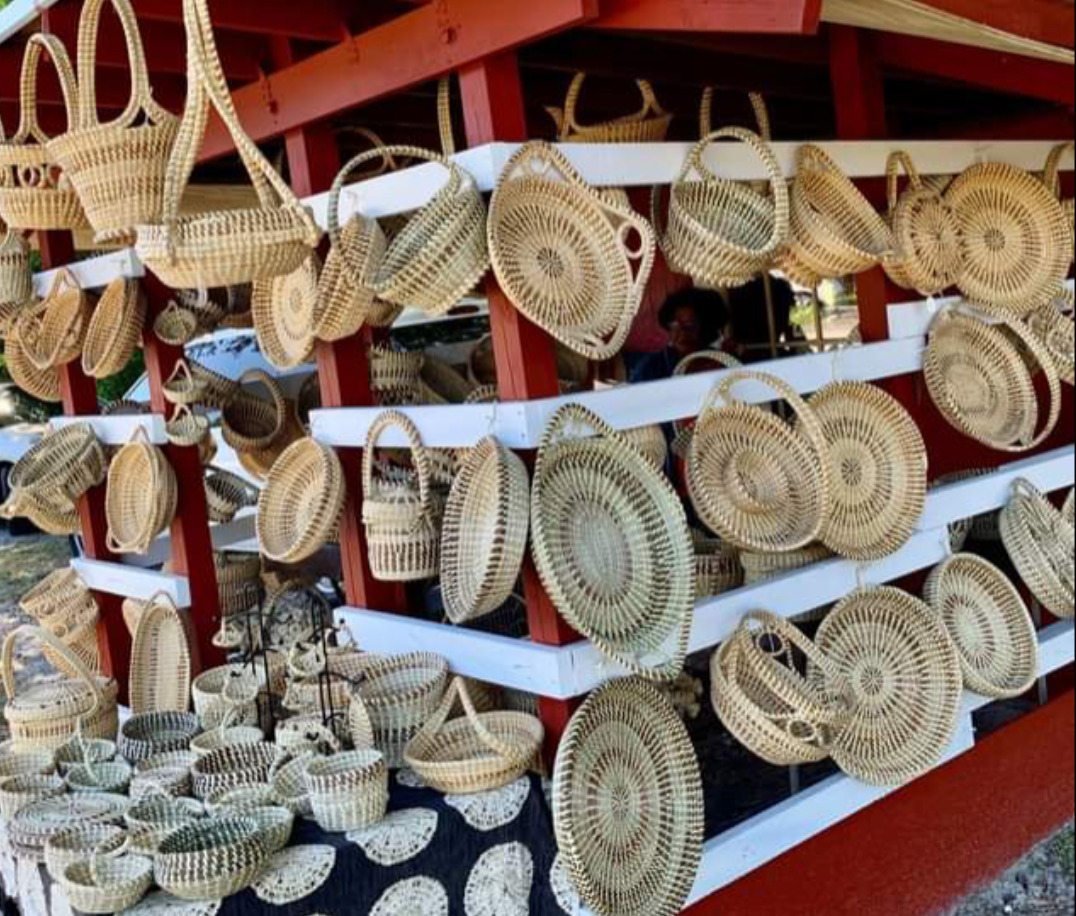
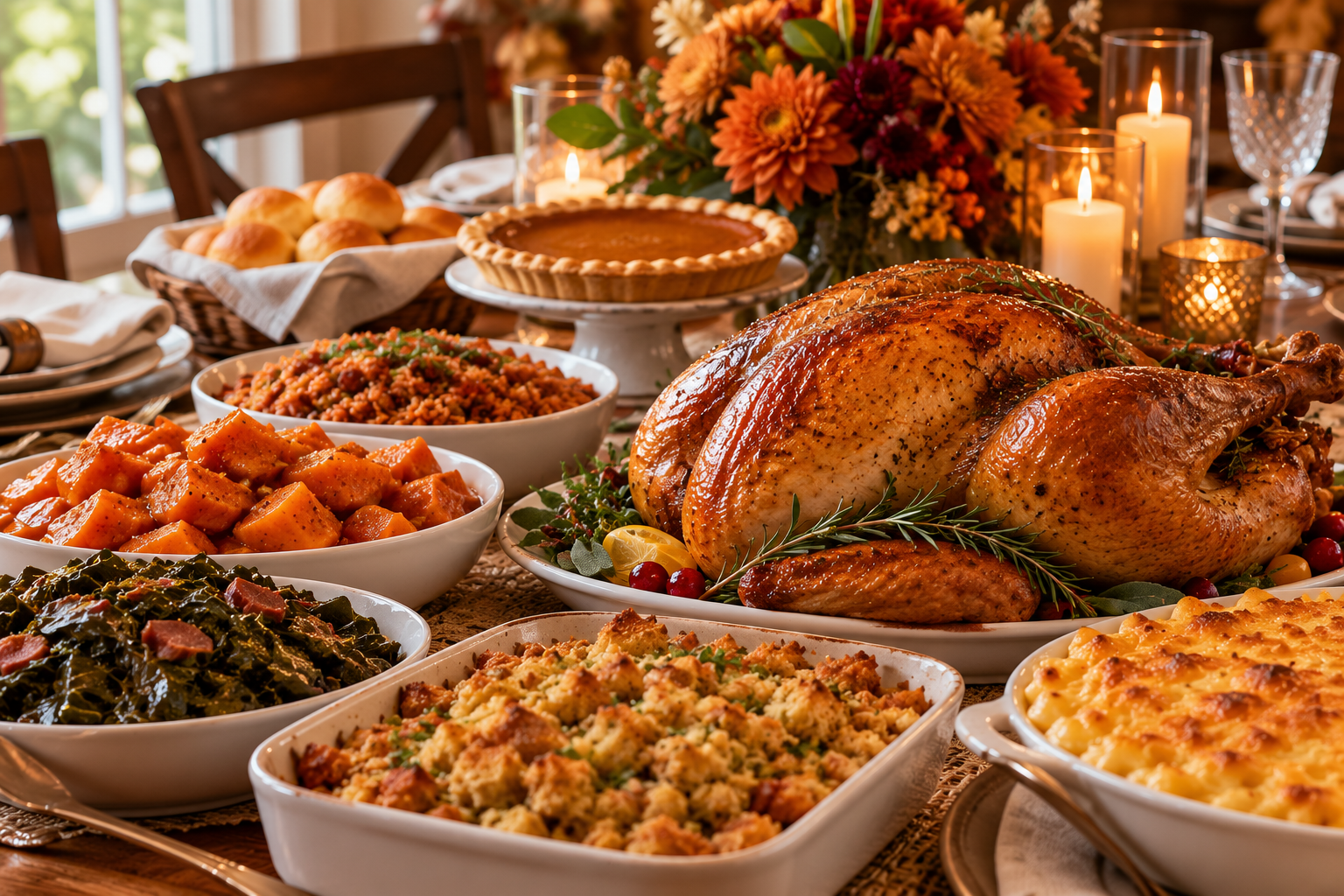
October is Gullah Geechee Cultural Heritage Month, and here in Charleston, South Carolina, that celebration carries a special meaning. While the Lowcountry is known for its beautiful landscapes, historic architecture, and incredible food, there's a much deeper story behind so much of what makes this place special. It's a story rooted in the Gullah Geechee people, whose culture, traditions, and contributions continue to shape Charleston and the surrounding communities. For those of us who grew up in the Lowcountry, Gullah Geechee culture isn't something we only recognize during a designated month. It's part of everyday life. You hear it in the way people speak, see it in the sweetgrass baskets woven along Highway 17, and taste it in dishes that have been prepared in families for generations. But while these traditions may feel familiar to many of us, their history and significance aren't always fully understood. A Culture That Helped Build the Lowcountry The Gullah Geechee people are descendants of enslaved West and Central Africans who were brought to the coastal regions of the Carolinas, Georgia, and Florida. Many possessed extensive knowledge of rice cultivation and other agricultural practices, skills that became central to the development of the Lowcountry's plantation economy. Despite the hardships and oppression of slavery, these communities preserved and developed a distinct culture through language, food, music, storytelling, spirituality, and craftsmanship. Geographic isolation in some coastal and island communities helped sustain cultural traditions that continue to be passed down today. Charleston and the surrounding Sea Islands remain deeply connected to that history. Communities such as Mount Pleasant, Johns Island, and James Island have longstanding Gullah Geechee roots. The culture isn't simply a chapter in Charleston's past; it remains a living part of the region's identity. The History on Our Plates One of the most recognizable expressions of Gullah Geechee heritage is food, and it's also one of the ways this culture has influenced people far beyond the Lowcountry. Consider Charleston red rice, okra soup, or a pot of collard greens simmering on the stove. These dishes reflect generations of knowledge, resourcefulness, and culinary traditions shaped by African influences and the ingredients available along the Carolina coast. Rice is especially significant. Enslaved Africans contributed agricultural knowledge and labor that helped establish South Carolina's rice economy, while rice also became a foundation of Lowcountry cooking. Even today, you'll find it at the center of family meals, Sunday dinners, and holiday celebrations. What makes these dishes meaningful isn't just how they taste. It's the stories and memories attached to them. Recipes are often passed down through observation rather than written instructions. Someone learned to season a pot by watching a grandmother or aunt, and eventually that knowledge became their own to share. Food has always been a way of keeping culture alive, even when the people preparing it didn't necessarily think of themselves as preserving history. Preserving More Than Traditions Celebrating Gullah Geechee heritage also means recognizing the challenges facing the communities that have kept these traditions alive. Development, rising property costs, and the loss of heirs' property threaten longstanding family landownership in parts of the Lowcountry. That matters because land is more than real estate. For many Gullah Geechee families, it represents generations of history, independence, and connection to their ancestors. Preserving this heritage means supporting the people and communities behind it, not simply appreciating the cultural traditions that Charleston has become known for. It means listening to local storytellers, learning from elders, supporting Gullah Geechee artists and businesses, and understanding the importance of protecting historic communities. Our Connection to the Culture At Carolima's, Gullah Geechee heritage is personal. Our roots in the Lowcountry have influenced not only the food we prepare but also the way we approach hospitality, community, and sharing a meal. Through our catering, culinary experiences, and community events, we have opportunities to introduce people to dishes and traditions that have been part of our families and communities for generations. We believe sharing the food should also mean sharing the stories behind it, because understanding where a dish comes from makes the experience that much more meaningful. As Charleston continues to grow and welcome visitors from around the world, we hope the people and traditions that helped shape this region remain at the center of its story. Gullah Geechee Cultural Heritage Month gives us an opportunity to celebrate, learn, and reflect, but the responsibility to preserve this culture doesn't end when October does. For us, it's more than a month. It's our history, our community, and a legacy worth carrying forward.