
Black History Is Still Cooking: This Is What Black History Looks Like Today
Black history lives in our kitchens long before it ever lived in museums—but it matters deeply when our stories are finally named, preserved, and celebrated out loud. The Gullah Geechee influence on American cuisine is one of those truths that has always existed, whether acknowledged or not. From rice fields to cast-iron pots, our ancestors shaped how America eats. They brought techniques from West Africa, adapted them to the Lowcountry, and created food that fed bodies, sustained families, and carried memory. The aroma of simmering rice, seafood pulled fresh from the water, greens slow-cooked with care—these aren’t trends. They are inheritance.
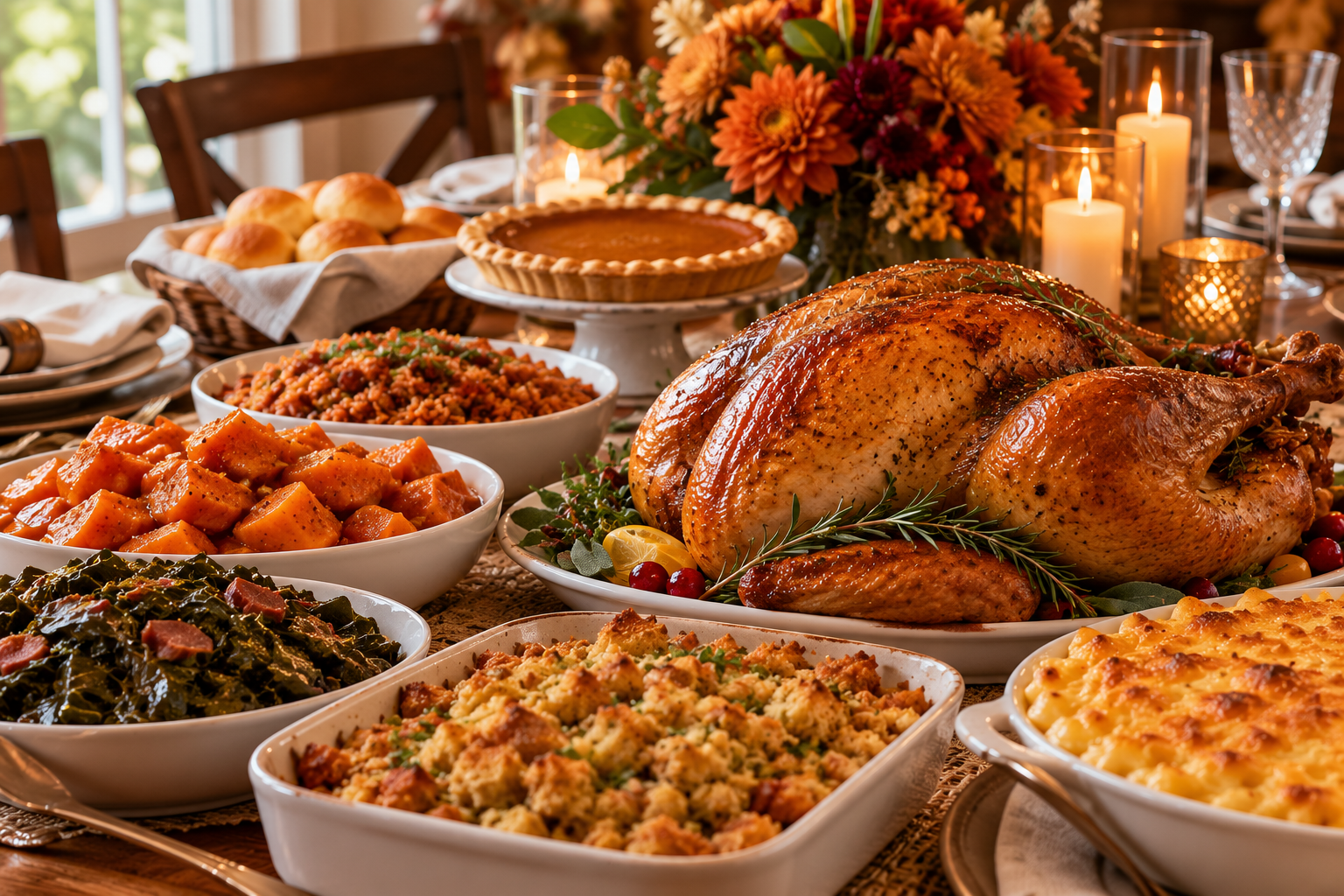
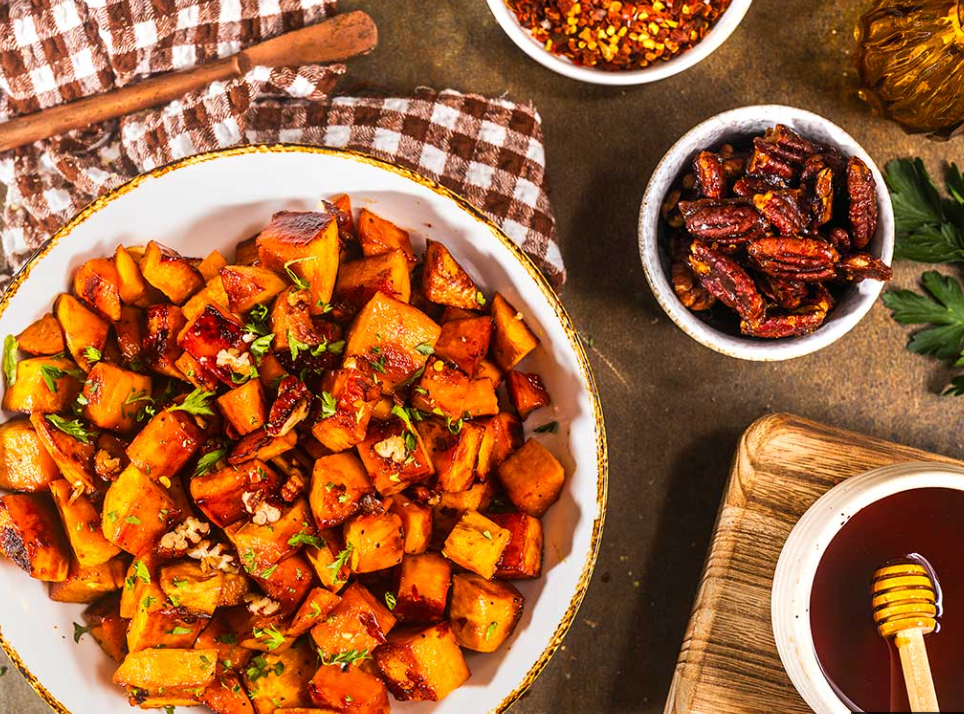
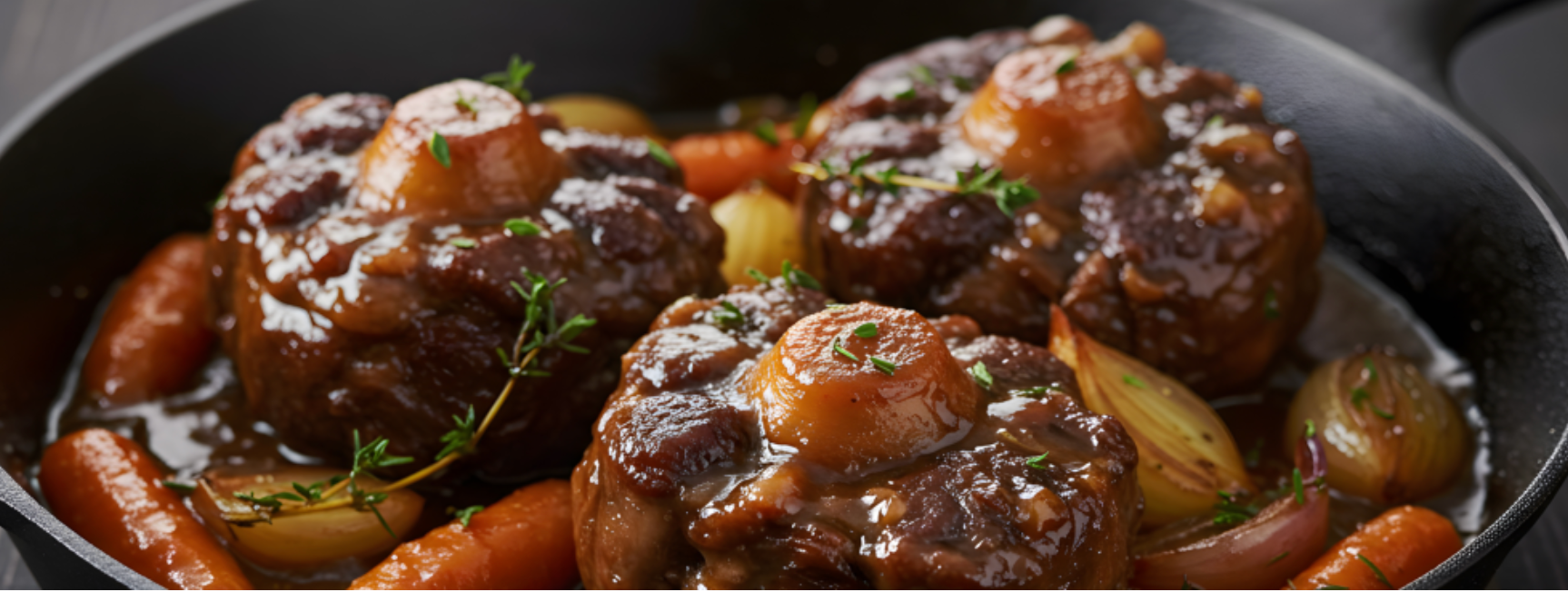
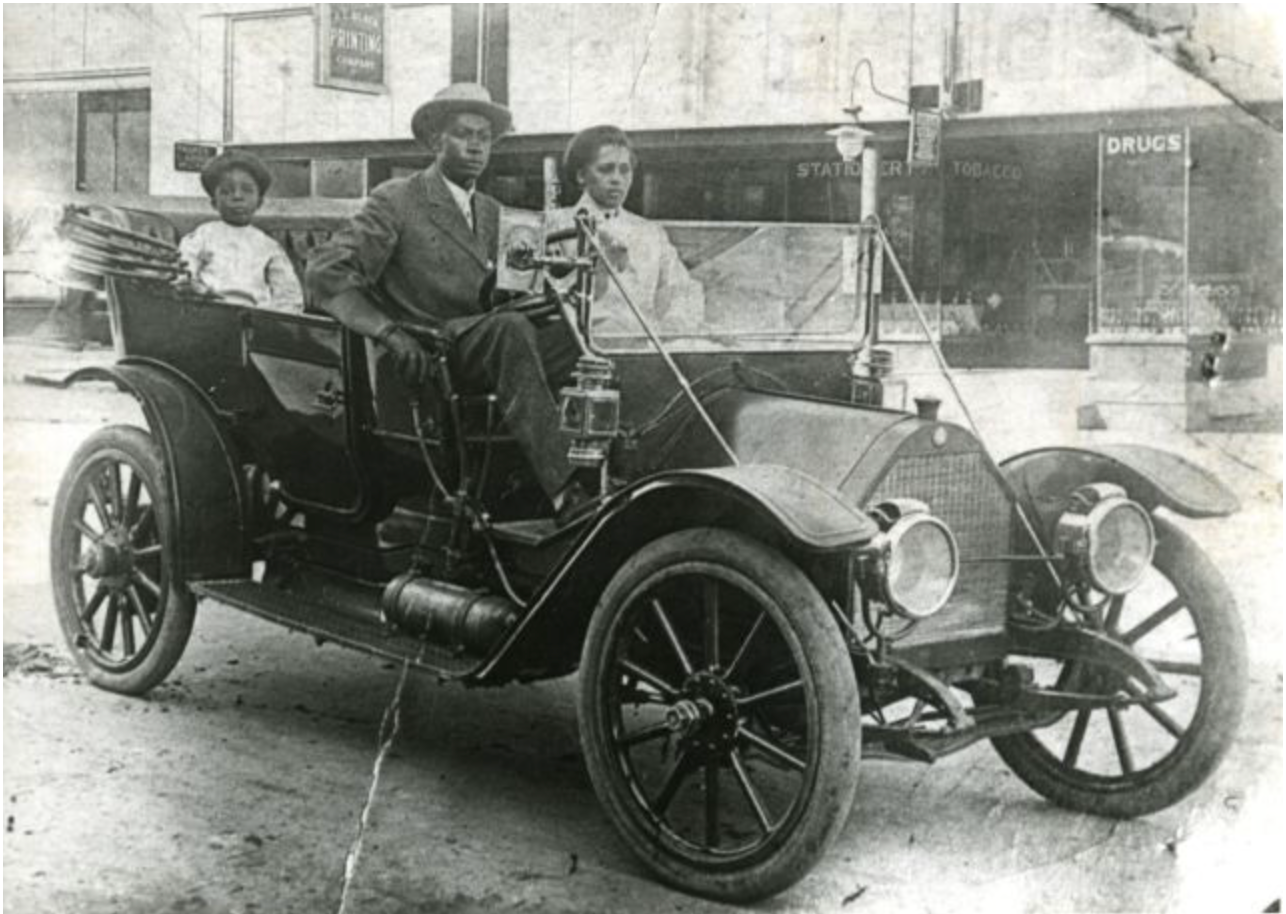
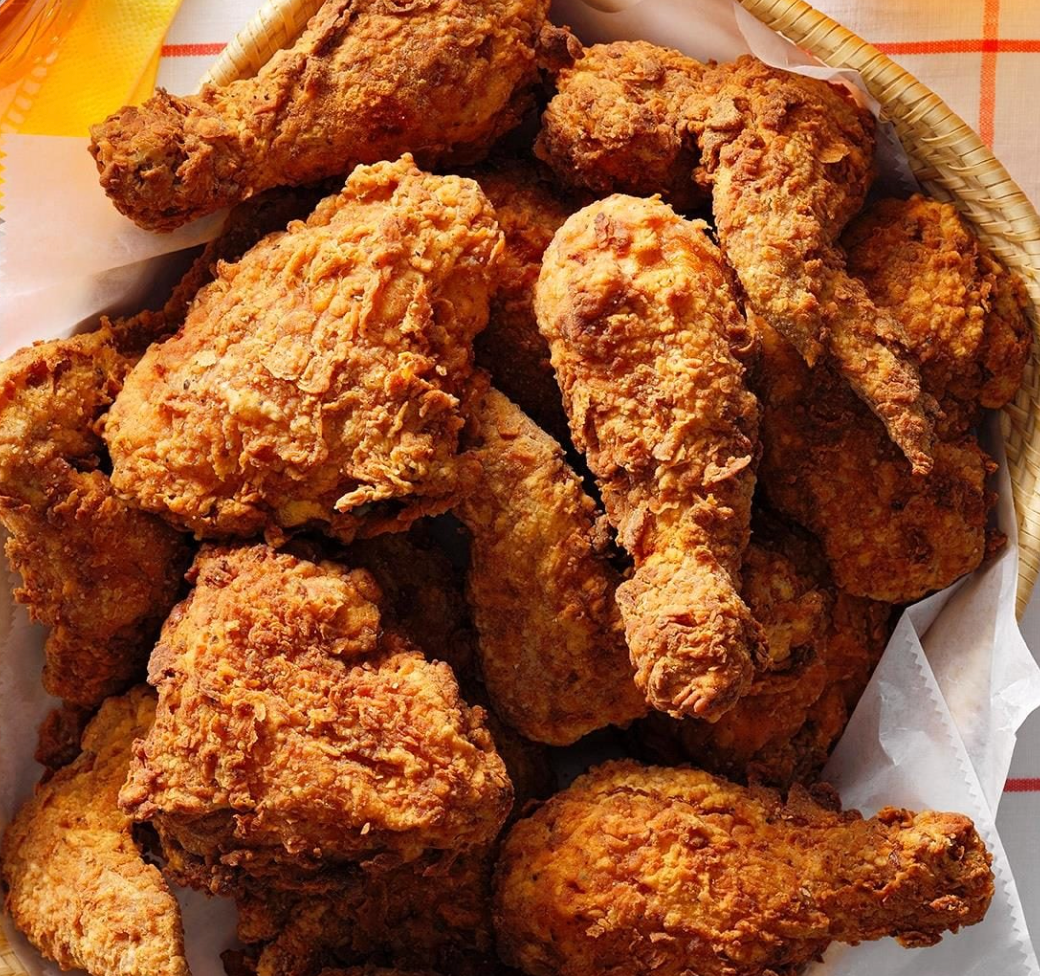
What feels powerful today is seeing that history reflected back to us in intentional spaces like the International African American Museum and the National Museum of African American History and Culture. These institutions don’t just display artifacts—they tell the truth about the role Black cooks, chefs, farmers, and foodways played in building America itself. Walking through these exhibits feels like walking through a familiar kitchen: stories of survival, ingenuity, and pride layered together. The photos above are courtesy of Sweet Home Café, located inside the National Museum of African American History and Culture and directed by Jerome Grant, whose work continues to bring Black culinary history to life through food.
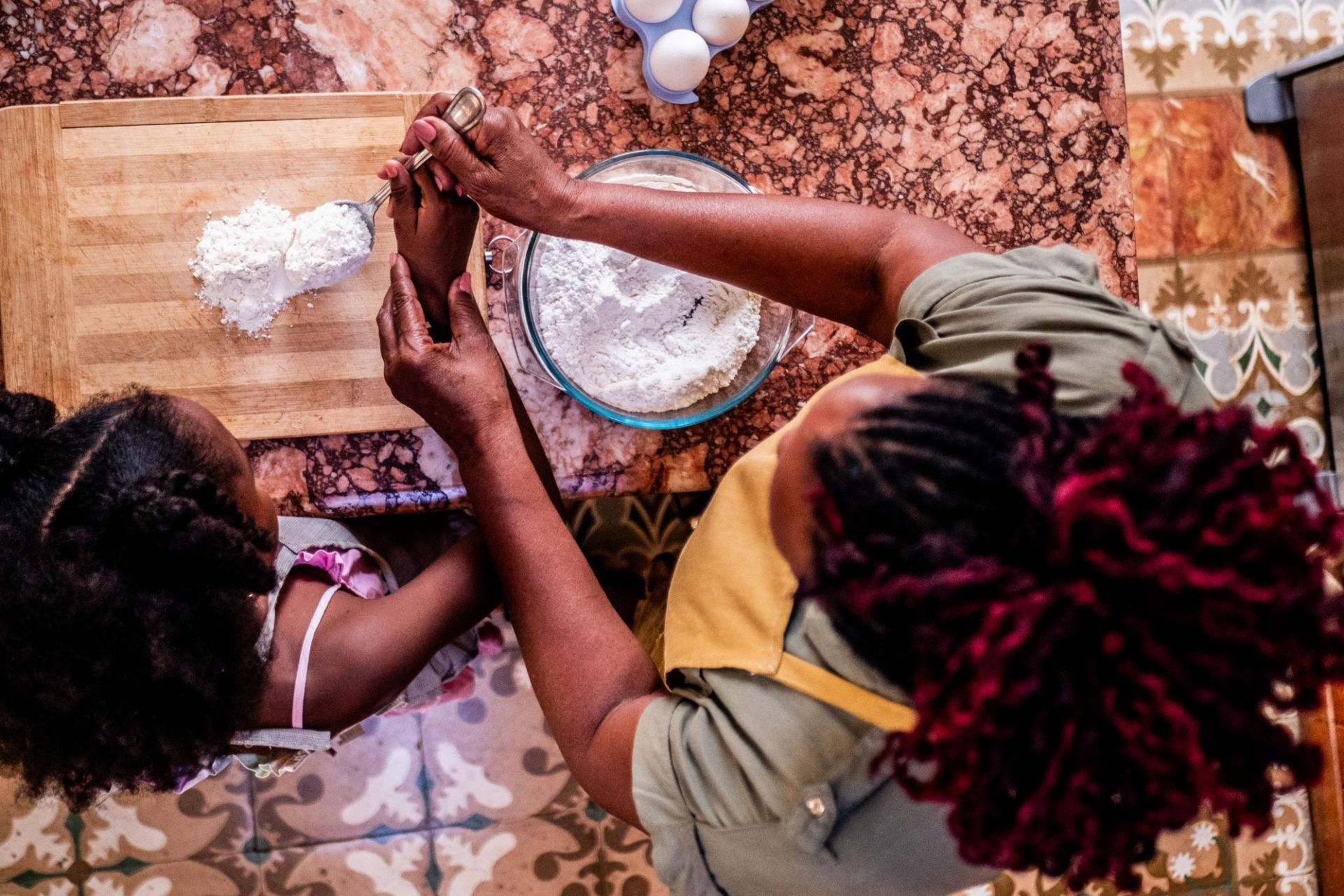
For me, this history is personal. Every time I cook, I feel connected to something bigger than myself. I think about the women and men who cooked without recognition, who fed nations while being denied humanity, and who still managed to season food with love. Black history today looks like us reclaiming our narratives—chefs putting ancestral dishes on white tablecloth menus, home cooks passing down recipes orally, and families gathering around tables where laughter, faith, and food all meet. Our kitchens are sacred spaces. They always have been.
If you’re Black, this story belongs to you too—whether you cook daily or just show up hungry. To honor the Gullah Geechee influence and the broader Black culinary legacy is to honor ourselves. Visit the museums. Ask questions about where food comes from. Support Black-owned restaurants and caterers. Cook the dishes you grew up with and teach someone else how to make them. Black history doesn’t only live in the past—it lives in the steam rising from the pot, the first bite that tastes like home, and the way we continue to gather, nourish, and remember.