

Fall in Charleston: A Season of Culture, Flavor & Celebration
Emma Cromedy • August 27, 2025
Charleston’s Fall Festivals: Music, Culture, and Celebration
As the Lowcountry air turns crisp and the days shorten, Charleston comes alive with a season of celebration. Fall is one of the best times to explore the Holy City—not just for the weather, but for the lineup of unforgettable events that blend music, art, food, and culture. This year, three standout occasions promise to make the season sparkle: the Lowcountry Jazz Festival, Dîner en Blanc, and the MOJA Arts Festival.
Every Labor Day weekend, the Charleston Gaillard Center transforms into the stage for one of the South’s most anticipated music gatherings—the Lowcountry Jazz Festival. Jazz enthusiasts from across the country come together to enjoy an electrifying weekend of smooth sounds, featuring national headliners and local talent. The festival isn’t just about music; it’s about community. Attendees dress up, gather with friends, and create memories over world-class performances. If you’re looking for a soulful kickoff to the season, this festival is the perfect way to start.
Charleston’s social calendar wouldn’t be complete without the magic of Dîner en Blanc. Originating in Paris, this chic pop-up dinner party has become a global phenomenon, and Charleston’s edition captures the spirit with Southern charm. Guests dressed entirely in white gather at a secret location revealed just moments before the event begins. Imagine twinkling lights, elegantly set tables, and hundreds of people raising glasses under the stars. It’s more than a dinner—it’s an experience of community, creativity, and surprise.
Closing out the season is Charleston’s beloved MOJA Arts Festival, a celebration of African-American and Caribbean arts and culture. For more than 40 years, MOJA has honored the richness of African diasporic traditions through music, dance, theater, visual arts, and storytelling. The word moja means “one” in Swahili, symbolizing unity—a theme you’ll feel in every performance, gallery opening, and community event. From gospel concerts to artisan markets, MOJA is a reminder of Charleston’s cultural heartbeat and its ties to the broader African diaspora.
Why Fall in Charleston Matters
Together, these three events paint a picture of Charleston at its finest: vibrant, diverse, and full of soul. Whether you’re a lover of smooth jazz, a seeker of magical evenings under the stars, or someone who treasures cultural storytelling, the fall season offers something that connects us all.
Charleston in the fall isn’t just about cooler breezes and golden leaves—it’s about gathering, celebrating, and honoring the traditions and creativity that make the Lowcountry unique.
Planning Your Visit? We’ve Got You Covered
If you’re coming to Charleston for any of these fall festivals, let us take care of your dining needs. From intimate personal chef services to convenient drop-off catering, Carolima’s
brings authentic Lowcountry flavor straight to your table. Whether it’s a private dinner, a family gathering, or a festive weekend with friends, we’ll make sure your Charleston experience is as delicious as it is unforgettable.
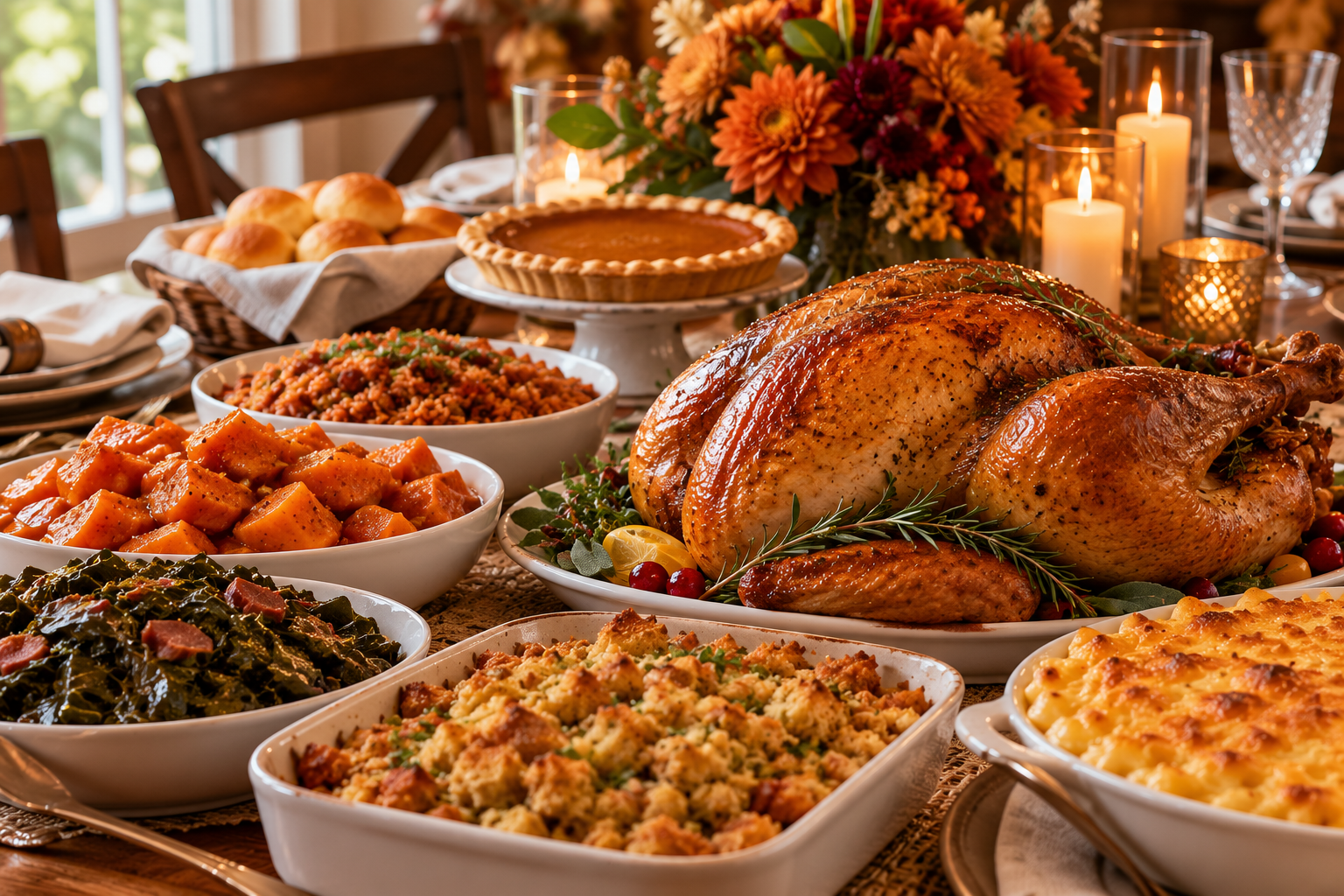
Ask ten families what belongs on a Thanksgiving table, and you'll probably get ten different answers. Turkey may be one of the foods most associated with Thanksgiving, but what surrounds that turkey can tell you a lot about where a family comes from, their culture, and the traditions that have been passed down through generations. In some Italian American families, Thanksgiving might include a pasta course or dishes like lasagna and stuffed shells alongside the turkey. Puerto Rican tables may feature pernil, arroz con gandules, and pasteles. In many Mexican American households, tamales find their way into holiday celebrations. And across the South, you'll find tables filled with cornbread dressing, macaroni and cheese, collard greens, sweet potatoes, and plenty of desserts. Even something as simple as the word "stuffing" can start a Thanksgiving debate. In many Southern households, especially Black households, it's dressing—and there's a good chance it's made with cornbread. The Thanksgiving Table Tells a Story That's one of the things we love about Thanksgiving. There may be an image of a "traditional Thanksgiving dinner" that we see in commercials and magazines, but real Thanksgiving tables are much more personal. Families take the basic idea of the holiday and make it their own. Recipes are passed down, adapted, and sometimes argued over. There's the dish that has to be made exactly the way Grandma made it, the relative everyone trusts with the macaroni and cheese, and probably at least one recipe nobody is allowed to experiment with. Those traditions are especially visible on Black Southern Thanksgiving tables. Many of the dishes we associate with the holiday—collard greens, cornbread dressing, macaroni and cheese, sweet potatoes, and rice dishes—are connected to a much broader story of African American and Southern foodways. Here in the Lowcountry, our Thanksgiving table reflects where we come from too. Rice has always been an important part of Gullah Geechee food culture, and the flavors and cooking techniques found throughout our holiday meals are influenced by generations of Lowcountry cooking. That's why Thanksgiving food can feel like more than just a meal. The table becomes a collection of family history. You may be eating something you've had every November since childhood without ever stopping to think about how many Thanksgiving tables that recipe sat on before yours. Some Traditions Are Worth Keeping Of course, keeping those traditions alive doesn't mean you have to spend three days in the kitchen. We love cooking—that part should be obvious by now—but we also know what Thanksgiving preparation can look like. Grocery shopping, chopping, baking, checking the oven, making sure everything finishes at the right time, and somehow trying to enjoy your family in between. That's where we're happy to help. Carolima's Thanksgiving ordering goes live this Thursday , with made-from-scratch dishes inspired by the Lowcountry flavors and traditions we grew up with. Whether we're preparing most of your meal or simply making the dishes you don't have time to tackle this year, the goal is the same: give you more time to actually enjoy Thanksgiving. Because no matter what's on your table—turkey or pernil, stuffing or dressing, pumpkin pie or sweet potato pie—the best Thanksgiving traditions are the ones that feel like your family. And if collard greens, cornbread dressing, macaroni and cheese, and a little something sweet sound like your kind of Thanksgiving, online ordering will be live on Thursday.
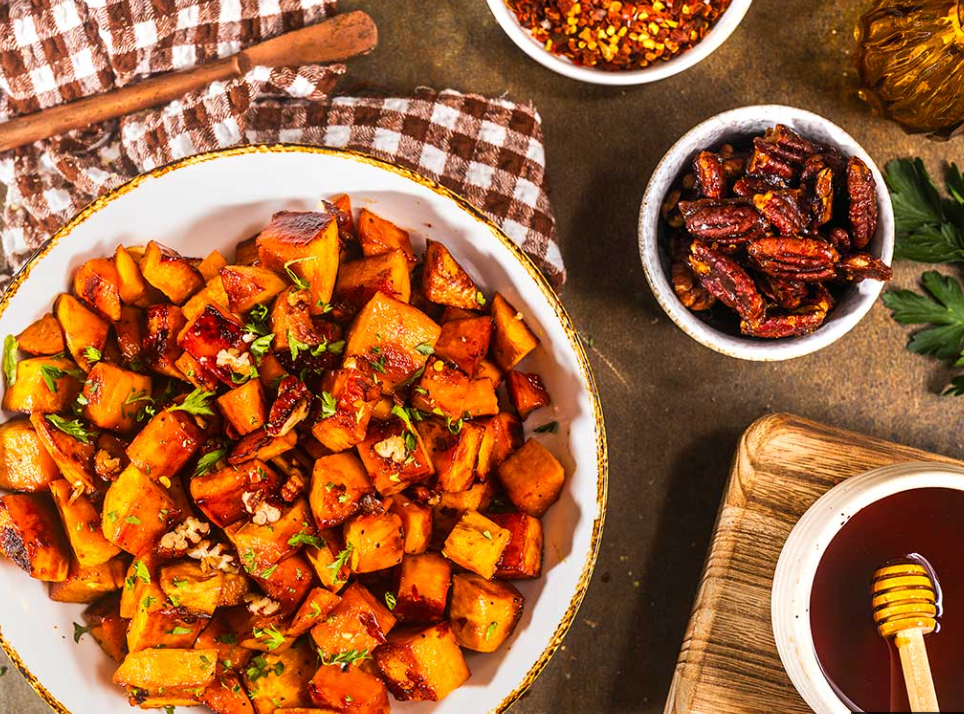
The first day of fall has arrived, which means pumpkin spice is officially everywhere—coffee, bread, cookies, candles, and just about anything else that can be flavored with cinnamon and nutmeg. Somewhere along the way, pumpkin spice became the flavor that tells America fall has arrived. But in many Black households, another flavor has been doing that for generations: sweet potato. Long before pumpkin spice became a seasonal marketing phenomenon, sweet potatoes had a place on our tables. Sweet potato pie at Thanksgiving, candied yams alongside holiday dinners, or simply sweet potatoes baked with butter, sugar, and warm spices. For many of us, the flavor isn't just associated with cooler weather. It's connected to family, holidays, Sunday dinners, and the people who taught us how those dishes were supposed to taste. A Deeper Connection to Sweet Potato Sweet potatoes have a long history in Southern cooking and became particularly significant in African American foodways. During slavery and in the generations that followed, they were an accessible, versatile crop that could be used in both savory and sweet dishes. There's an important cultural layer to that history as well. Enslaved Africans arrived in America with knowledge of West African root vegetables, including yams. African yams and American sweet potatoes aren't actually the same plant, despite the names often being used interchangeably today. But the cooking knowledge, preferences, and traditions Africans brought with them influenced how available ingredients were prepared in the American South. Over time, Black cooks made sweet potatoes their own, and dishes created from them became part of a much larger African American culinary tradition. Sweet potato pie may be one of the clearest examples. For generations of Black families, particularly in the South, it has held a place on the holiday table that pumpkin pie simply hasn't occupied in quite the same way. And that's what makes the annual pumpkin spice takeover interesting to us. Pumpkin and sweet potato work with many of the same warm fall spices—cinnamon, nutmeg, brown sugar, vanilla—but sweet potato carries a different kind of significance. For many Black families, there's memory attached to it. There's somebody's grandmother's pie, an auntie's recipe, a Thanksgiving table, or a family member who doesn't measure a single ingredient but somehow makes it taste exactly the same every year. Food can preserve history in ways we don't always recognize. A recipe doesn't have to be written down in a history book to tell us something about where we come from. Giving Sweet Potato Its Fall Moment At Carolima's, preserving our food traditions doesn't mean we're afraid to play with them. We can respect where a dish or ingredient comes from while still finding new ways to use it. That's part of the inspiration behind our Sweet Potato Cheesecake baked on a nut-free Chewie crust. Sweet potato brings a familiar flavor that many of us already associate with fall and the holidays, while the Chewie crust connects it to another dessert with deep Charleston roots. The result feels familiar and new at the same time—which, in many ways, is what we love about cooking. Food traditions aren't meant to become frozen in time. They survive because generations continue cooking them, talking about them, putting their own touches on them, and passing them along. We can appreciate the sweet potato pie that has been on our family's table for decades and still wonder what else we can create with the flavors we grew up loving. So, yes, fall has arrived, and pumpkin spice will probably be everywhere for the next few months. We're not mad at it. But around here, we're making a little more room for sweet potato and the history, memories, and traditions that come with it. Around here, fall tastes like sweet potato.
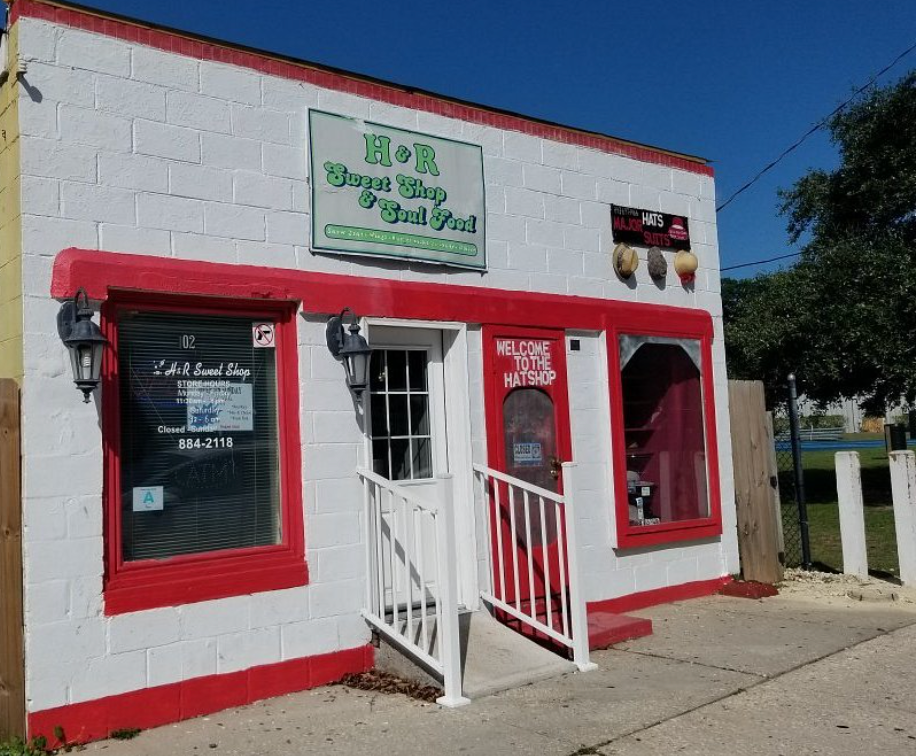
When we talk about Black-owned businesses in the Lowcountry, it's important to remember the people who were doing this work long before many of us came along. The recent passing of Raleigh "Coffee" Johnson Jr., affectionately known as Mr. Coffee , gave us a reason to reflect on that legacy and on a place that has been part of Mount Pleasant's Black community for generations: H&R Sweet Shop . H&R Sweet Shop was established in 1945 and named for Mr. Coffee's parents, Harriet and Raleigh "Pat" Johnson Sr. Located on what was then Common Street and is now Royall Avenue, H&R grew into one of Mount Pleasant's longstanding restaurants and neighborhood gathering places. Mr. Coffee grew up in that legacy and worked at H&R for as long as many in the community could remember. After his father's passing, he took over the business and continued what his parents had started. But when people remember Mr. Coffee, they don't only talk about the restaurant. Historian and author Damon L. Fordham , in reflecting on Mr. Coffee's passing, remembered him as a man of dignity who genuinely cared about his community—and who was always sharp. This was a man who would put on a suit and tie just to walk to the store, with a head of hair Fordham joked could "put James Brown to shame." One of Fordham's memories says even more about Mr. Coffee's character. Although Mr. Coffee had known him since he was a boy, he continued to address Fordham as "Professor." When Fordham told him that wasn't necessary, Mr. Coffee's response was simple: "You earned it." That was the end of the discussion. There's something about that small exchange that tells you a lot about a person. Respect mattered. And for generations, H&R mattered too. The Sweet Shop became a place where people could eat, gather, talk, and simply be part of the community. Mr. Coffee helped carry that forward, feeding generations while continuing a Black-owned family business that began more than 80 years ago. For us at Carolima's, that kind of longevity puts things into perspective. We're a Black-owned, family-run food business rooted in the Lowcountry, but we are certainly not the first. Before Carolima's, there were families like the Johnsons. There were Black restaurant owners, caterers, cooks, farmers, fishermen, and entrepreneurs building businesses and serving their communities, often during times when the opportunities available to them looked very different from the opportunities we have today. We are standing on their shoulders. As business owners, it's easy to spend most of our time looking forward—the next event, the next client, the next opportunity. But it's just as important to look back and recognize the people who helped create the path we're walking today. As Carolima's approaches 15 years in business, we can look at a place like H&R and appreciate what it means for a Black-owned family business to endure for generations. We can share Gullah Geechee and Lowcountry food traditions today because people before us kept cooking them, serving them, and creating spaces where those traditions could live. Mr. Coffee was part of carrying that legacy forward. Fordham ended his remembrance by thanking Mr. Coffee for feeding several generations, for his business skills, and for being a role model to young people. We think that's a legacy worth recognizing. So today, we honor Mr. Coffee, the Johnson family, and H&R Sweet Shop—not simply for the years they've been in business, but for what those years represent. Rest well, Mr. Coffee. Thank you for feeding generations and helping leave a path for those of us coming behind you.
Whether you've been following Carolima's for years or you're just discovering us, we thought it was time for a proper introduction. Carolima's Lowcountry Cuisine is a family-owned catering company specializing in authentic Gullah Geechee and Lowcountry cuisine and elevated dining experiences. For nearly 15 years, we've had the privilege of sharing our food, culture, and hospitality throughout Charleston and beyond. But Carolima's didn't become what it is today overnight. Where It All Began Carolima's was founded in 2011 by Sameka Jenkins , who began catering while working full-time as a commercial loan processor. What started with catering eventually expanded into a restaurant, giving Carolima's a home and an opportunity to introduce even more people to the food Sameka grew up eating. At the same time, her sister Emma Cromedy was establishing herself in Charlotte's culinary scene. Emma founded SouthernCakeQueen in 2008 and later launched Charlotte's first mobile dessert bakery . Her baking career also took her to television, where she competed on Cooking Channel's Sugar Showdown. When Emma returned home to Charleston in 2017, the sisters eventually combined their talents and businesses. Two separate entrepreneurial journeys came together, and Carolima's began its next chapter. Who We Are Today Carolima's has continued to evolve. Today, we're a full-service catering company providing full-service and drop-off catering for weddings, corporate events, social gatherings, and celebrations of all sizes. We also offer made-from-scratch desserts and immersive culinary experiences that allow us to share more of the history and culture behind our food. While the business has expanded, the foundation of our menus remains the same: Gullah Geechee and Lowcountry cuisine. Charleston red rice, Hoppin' John, collard greens, okra, seafood, fried chicken, macaroni and cheese, and Charleston Chewies are more than menu selections to us. They're connected to the food traditions of our families and the Lowcountry we call home. That's an important part of what makes Carolima's different. We're not simply serving Southern food. We're sharing cuisine rooted in a culture that has helped shape Charleston's culinary identity for generations. We believe those traditions deserve to be preserved, celebrated, and shared. How Far We've Come Over the years, Carolima's has been fortunate to experience opportunities we couldn't have imagined when the first catering orders went out in 2011. We've participated in Charleston Wine + Food , become an approved caterer at the South Carolina Aquarium , and served clients and guests at events throughout the Lowcountry and beyond. One of our proudest moments was sharing our food and family story on a Food Network series that went on to win an Emmy Award . Experiences like these have allowed Carolima's to introduce Gullah Geechee and Lowcountry cuisine to audiences far beyond our own community. But recognition has never been the reason we do what we do. At its core, Carolima's has always been about food, family, culture, and hospitality . We want the food to be memorable, but we also want you to remember how you felt. Whether we're serving an intimate gathering or hundreds of guests, our goal is to make people feel welcomed, cared for, and a little like they're part of our family. That's the Carolima's experience. Nearly 15 years later, we've evolved, we've grown, and we've learned a lot along the way. But we're still rooted in the same culture, recipes, and hospitality that started it all. So, if you're new here, welcome to Carolima's. And if you've been with us for years, thank you for continuing to make room for us at your table. We're Carolima's Lowcountry Cuisine—Gullah Geechee roots, Lowcountry flavor, and hospitality that feels like family.
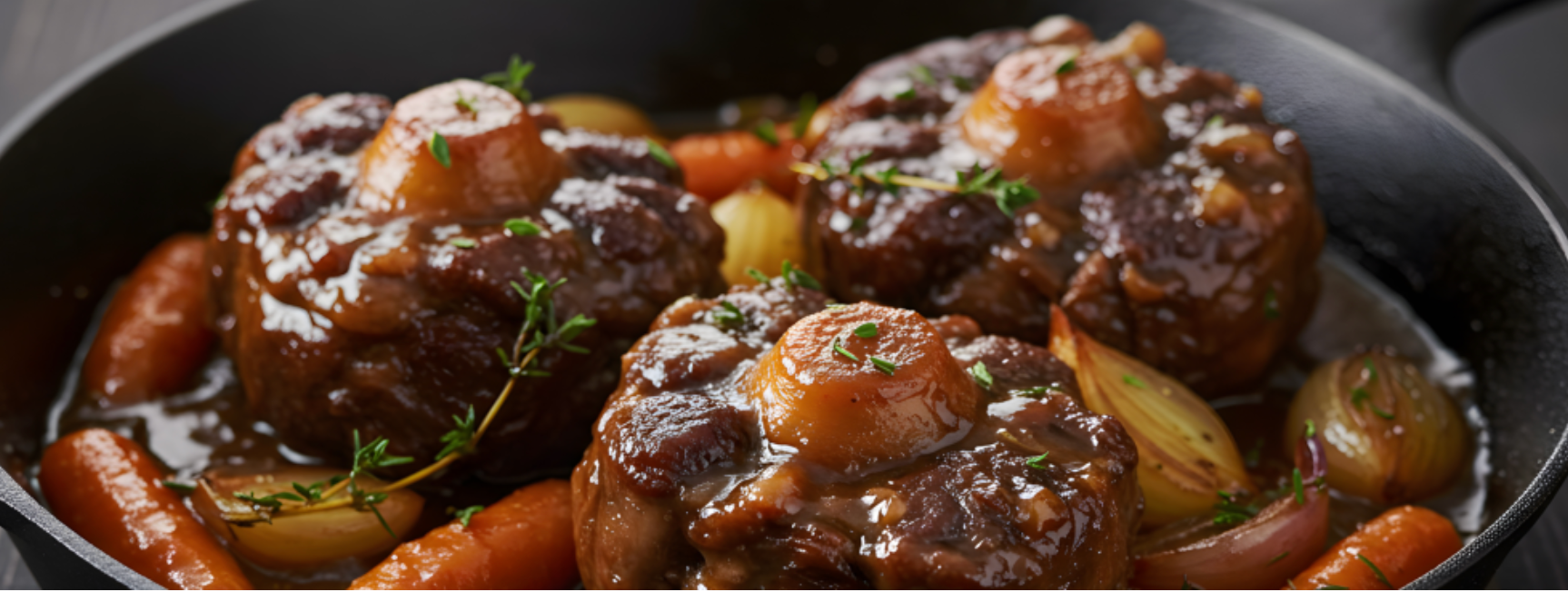
For generations, Black cooks have had a way of taking ingredients that others overlooked and turning them into dishes people couldn't wait to eat. That history wasn't always born from choice. During slavery and in the generations that followed, Black families often had limited access to the most desirable cuts of meat. What was available might include tougher, less popular cuts or parts of the animal that wealthier households didn't want. Instead of letting those ingredients define the meal, our ancestors used seasoning, patience, and techniques passed down through generations to make them their own. Oxtail is a perfect example. For years, oxtail was considered an inexpensive, undesirable cut. Black families throughout the African diaspora—including Caribbean, African, and Black American communities—turned it into deeply flavorful dishes that became part of their food traditions. Now, oxtail is everywhere. You'll find oxtail pasta, tacos, egg rolls, pizza, grilled cheese, and even upscale restaurant interpretations. What was once considered a "poor man's" cut has become so popular that buying oxtail today can feel like buying a premium steak. And there's a certain irony in that. The food didn't suddenly become worthy of attention. The people who had been cooking it all along already knew its value. Oxtail isn't the only example. Ham hocks, neck bones, pig's feet, chitterlings, pork belly, and other cuts that were once dismissed have long had a place in Black kitchens. They seasoned pots of greens, stretched meals to feed families, and eventually became dishes and flavors associated with Southern and soul food traditions. That tradition of making use of the whole animal is still being explored and documented today. Lowcountry native Amethyst Ganaway—chef, author, and culinary historian—is currently working on a cookbook titled Black South: Recipes From the Roota to the Toota in April of 2027. The title itself reflects a philosophy generations of Black cooks understood well: very little needed to go to waste. Cuts and ingredients that others overlooked could still have a place at the table, and the knowledge of what to do with them became part of our culinary traditions. Today, chefs call it nose-to-tail cooking. Restaurants describe these ingredients as elevated or gourmet . Foods that were once associated with poverty are being reintroduced to diners as something special—and often at a much higher price. There's nothing wrong with food evolving. In fact, it's exciting to see ingredients from Black food traditions receiving greater recognition and inspiring new dishes. But it's worth remembering where some of that creativity began. Black cooks didn't wait for these ingredients to become trendy to recognize their potential. They took what was available, added knowledge, technique, and flavor, and created food worthy of being passed from one generation to the next. So when you see an $18 oxtail egg roll or a gourmet oxtail pasta on a menu, remember: the presentation may be new, but the appreciation for that cut certainly isn't. We've been knowing what oxtail could do.

Back-to-school season means new teachers, new routines, and, for parents, figuring out what these children are going to eat every day. But as another school year begins, it's also a reminder of how much the school experience has changed for Black children—including what's on their plates. For generations of Black Americans, education represented opportunity and freedom. During slavery, learning to read and write was often restricted or prohibited, yet Black people still found ways to learn and teach one another. After emancipation, newly freed Black communities made education a priority, establishing schools and fighting for opportunities that had long been denied to them. Even after schools were established, segregation meant Black children often attended schools with fewer resources. Families, teachers, churches, and communities stepped in to fill the gaps. Over generations, the fight moved from simply gaining access to education to demanding equal opportunities for Black students. And while the classroom was changing, school lunch was changing too. Remember When Lunch Looked Different? For some of our grandparents and great-grandparents, lunch might have been whatever could be prepared at home with what the family had available—a biscuit, leftover meat, fruit, cornbread, or another simple meal. As school meal programs expanded, hot cafeteria lunches became part of the school experience. Generations grew up eating everything from meatloaf and vegetables to those unforgettable rectangular slices of school pizza. Then came the lunchboxes many of us remember: sandwiches, chips, juice boxes, fruit cups, cookies, and maybe a handwritten note from Mama. And now? School lunch looks completely different. Open a child's lunchbox today and you might find wraps, yogurt, fresh berries, hummus, pasta, chicken nuggets in a thermos, or a little charcuterie-style lunch with everything divided into its own compartment. Kids have more options—and many of them have much stronger opinions about what they're willing to eat! Children are also exposed to foods from around the world much earlier. A child's favorite meal today might be tacos, sushi, pasta, or another dish that previous generations rarely, if ever, encountered in a school cafeteria. Our lives have changed too. Families are busier, convenience plays a bigger role, and the way we shop, cook, and prepare meals has evolved. But one thing hasn't changed: food is still a connection to home. Whether it was cornbread wrapped up for lunch generations ago or today's perfectly organized lunchbox, feeding our children is one of the simplest ways we care for them. As another school year begins, we're reminded of both how far we've come and how much has changed—from who had access to the classroom to what's packed inside the lunchbox. Here's to a great school year—and to all the parents already wondering what they're packing for lunch tomorrow.
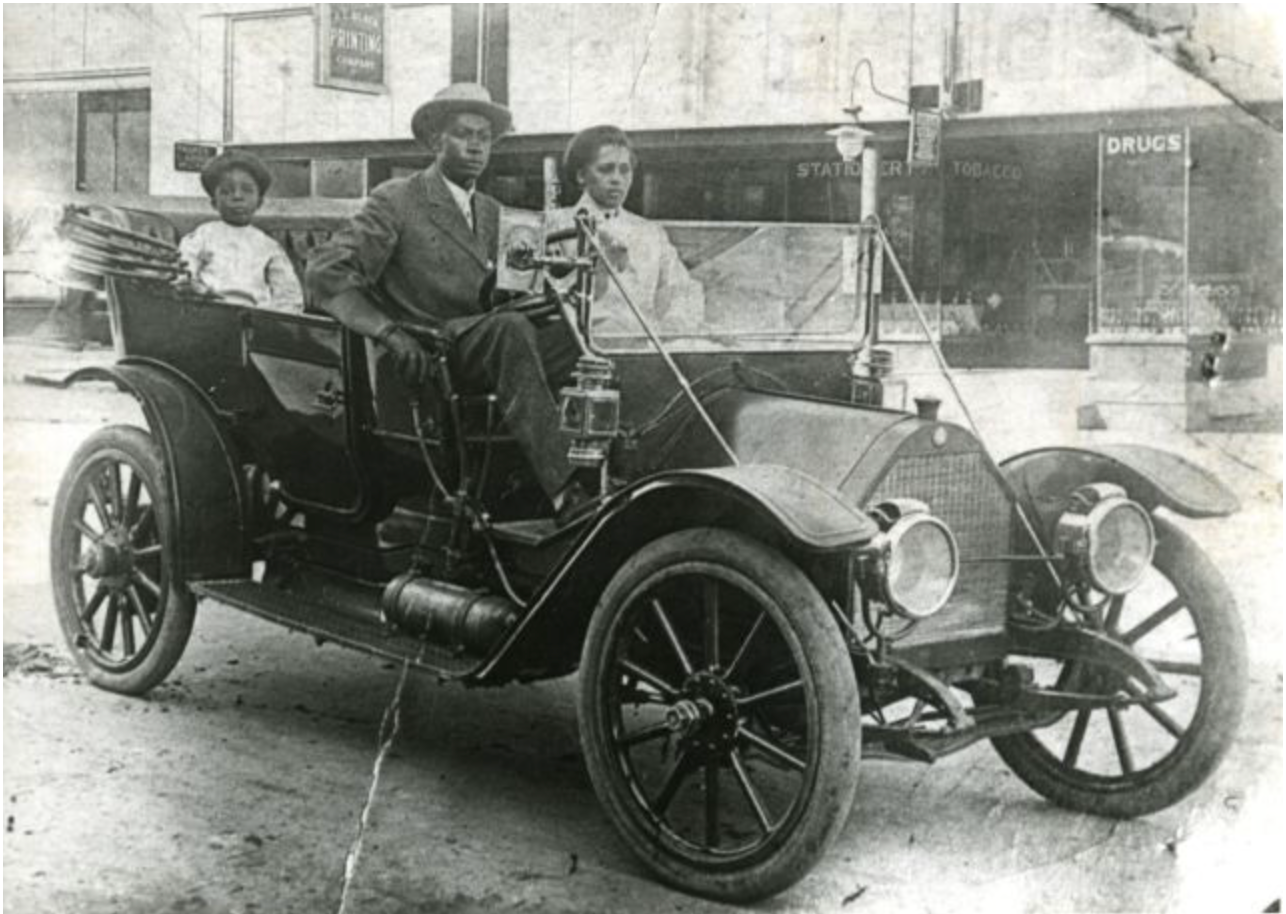
Every time we spend money, we make a choice about what businesses, families, and communities we help sustain. As we recognize Black Business Month this August, we've been thinking about what it really means to support a Black-owned business. Of course, making a purchase matters. But support can also look like sharing a business with a friend, leaving a review, booking a service, attending an event, engaging with a social media post, or simply telling someone, "You need to check them out." There is a long history behind Black entrepreneurship in America, and one of the most powerful examples can be found in Tulsa, Oklahoma. In the early 1900s, Tulsa's Greenwood District became home to a thriving Black community filled with entrepreneurs, professionals, and families building lives for themselves despite segregation. Greenwood had Black-owned restaurants, hotels, grocery stores, theaters, salons, medical offices, and other businesses. The concentration of Black wealth and entrepreneurship became so notable that the area came to be known as Black Wall Street . What made Greenwood so powerful wasn't simply the number of Black-owned businesses. It was the community surrounding them. People supported their neighbors. Business owners employed people from the community. Money spent at one business could become income that was spent at another. In a country where segregation often prevented Black Americans from freely participating in the broader economy, communities like Greenwood created their own opportunities. That success was devastatingly interrupted during the Tulsa Race Massacre of 1921 , when a white mob attacked Greenwood, killing residents and destroying homes and businesses across the district. Generations of property, businesses, and wealth were lost. Yet the story of Black Wall Street isn't only a story of destruction. It's also a story about what Black entrepreneurship had already accomplished—and what the community worked to rebuild afterward. More than a century later, that part of the story still resonates with us. Owning a business can mean creating something that extends far beyond the person whose name is on the paperwork. A small business hires employees, pays other vendors, works with local professionals, supports community organizations, creates opportunities, and often opens doors for another entrepreneur coming behind them. We see that firsthand at Carolima's. When someone chooses us to cater an event, purchases one of our made-from-scratch desserts, books Sweetgrass Hall, recommends us to a friend, or simply shares our name with someone looking for a caterer, that support reaches further than one transaction. It helps us continue doing what we love while creating opportunities to work with other businesses and people throughout our community. And we're business owners, but we're customers too. Supporting Black businesses means intentionally looking around our own community and discovering the baker, photographer, restaurant owner, event planner, designer, farmer, contractor, boutique owner, or other entrepreneur who may be able to provide exactly what we're looking for. It doesn't mean that every purchase has to come from a Black-owned business. It simply means remembering that where we spend our money matters. Black Wall Street showed us what is possible when entrepreneurship, opportunity, and community come together. Black Business Month gives us an opportunity to celebrate that legacy while also recognizing the Black entrepreneurs who are building businesses right now. So this month, discover a Black-owned business you haven't tried before. Revisit one you already love. Tell somebody about them. Leave the review. Share the post. Buy the product. Book the service. Because sometimes supporting a small business feels like one simple purchase. To the business owner, it can mean so much more.

Travel has a way of reminding you that no two places are exactly alike. Our Carolima's family recently returned from celebrating birthdays in Italy, and one of the biggest takeaways was how different each city felt. We explored six cities, and every destination had its own personality. Some places made it easy to hop in a taxi, while others required a little more patience and planning. We found ourselves riding ferries from one coastal town to the next, taking in breathtaking views and realizing that sometimes the journey is just as memorable as the destination. Of course, no trip is complete without discovering the local food. One thing we learned quickly? Naples is all about pizza—not pasta! Every region seemed to have its own specialties and traditions, which made each meal feel like a new experience. One of the highlights of our trip was taking a hands-on cooking class where we learned to make gnocchi from scratch, eggplant Parmigiano, tiramisu, and limoncello. There was something special about preparing recipes that have been passed down for generations and seeing firsthand the pride that goes into every dish. Perhaps the biggest culture shock came at the dinner table. One evening, we were ready to head to our next stop, so we asked for the check before we had finished eating. Back home, that's pretty normal. In Italy? Not so much. Our server waited until we had finished our meal before bringing the bill. It wasn't that they couldn't bring it sooner—it was simply a reminder that meals are meant to be enjoyed, not rushed. Conversation is part of the experience. The food deserves your attention. Time slows down around the table. As chefs, that lesson stayed with us. Food isn't just about what's on the plate. It's about the people you're sharing it with, the stories behind the recipes, and the traditions that have been carried from one generation to the next. Those are values we hold close at Carolima's, and it was inspiring to see them celebrated in another part of the world. Standing in another country also gave us a chance to reflect on something much bigger. Today, we're able to book a flight, explore new places, and immerse ourselves in cultures around the world. But for many African Americans, travel wasn't always that simple. Families once relied on The Negro Motorist Green Book to find safe places to eat, sleep, and refuel while traveling across the United States. What we often see as an ordinary vacation today represents opportunities that previous generations fought to make possible. That perspective made this trip even more meaningful. We returned home with full camera rolls and unforgettable memories, but we also came back with a renewed appreciation for slowing down, embracing different cultures, and never taking the freedom to explore for granted. Every destination has a story to tell, and every meal offers a glimpse into the people and traditions that make a place unique. As we unpack our suitcases, we're reminded that the best souvenirs aren't always something you can hold in your hand. Sometimes they're the lessons you learn, the people you meet, and the memories you create along the way.
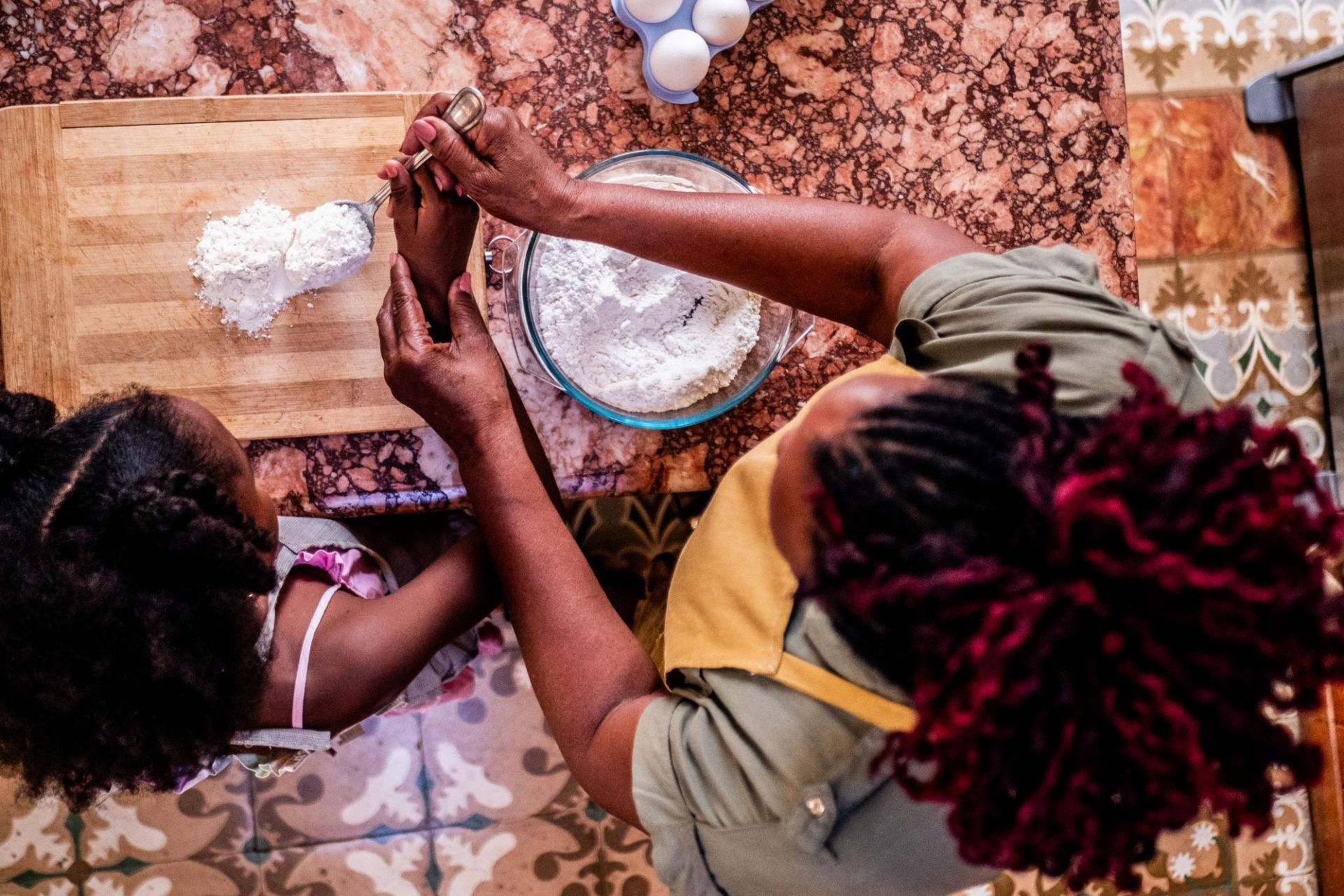
When people think about the Great Migration, they often think about families leaving the South in search of better jobs and new opportunities. Between 1916 and 1970, more than six million African Americans relocated from the rural South to cities like Chicago, Detroit, New York, Philadelphia, and Los Angeles. But they didn't leave everything behind. They packed more than suitcases—they carried recipes, traditions, and memories. Food became a way to stay connected to home. A pot of collard greens, a skillet of cornbread, red rice, fried chicken, or a slow-cooked pot of beans could instantly bring back memories of Sunday dinners, family reunions, and kitchens where recipes were shared from one generation to the next. These dishes offered comfort in unfamiliar places and helped build a sense of community wherever people settled. As Black families established new lives across the country, Southern cooking began influencing American cuisine in remarkable ways. Neighborhood restaurants, church dinners, family-owned cafés, and barbecue joints introduced communities to flavors rooted in the South. Over time, recipes evolved as cooks blended local ingredients with traditions they had brought from home, creating new regional favorites while honoring the dishes they grew up eating. One of the best examples of this evolution is shrimp and grits. Long before it appeared on upscale restaurant menus, it was a simple, hearty breakfast enjoyed by Gullah Geechee fishermen along the South Carolina and Georgia coast. Fresh shrimp from nearby waters were served over stone-ground grits and often finished with a rich brown gravy made from the pan drippings—a humble, comforting meal that reflected the ingredients people had on hand. As the dish traveled beyond the Lowcountry, it began to change. Today, you'll find shrimp and grits topped with lobster, smoked gouda, truffle oil, Cajun cream sauce, tomatoes, bacon, and countless chef-inspired variations. While these interpretations have introduced the dish to new audiences, they're a far cry from the original. The traditional Lowcountry version wasn't meant to be extravagant—it celebrated fresh local shrimp, creamy grits, and a savory brown gravy that brought everything together. Sometimes, the simplest recipes tell the richest stories. The Great Migration didn't just reshape where people lived—it reshaped America's table. It introduced Southern traditions to new communities while allowing recipes to evolve with each generation. Yet no matter how far these dishes traveled or how many new ingredients were added, their roots remain firmly planted in the kitchens of the South. Here in the Lowcountry, Gullah Geechee cuisine continues to preserve those traditions. Every bowl of okra soup, plate of Charleston red rice, serving of shrimp and grits, or slice of cornbread is more than a meal—it's a connection to the people who came before us and a reminder that our stories are often told one recipe at a time. The next time you enjoy a family recipe, remember that it may have traveled hundreds of miles before arriving on your plate. Behind every bite is a story of resilience, hope, and the determination to preserve culture through food. Sometimes, the most meaningful journeys aren't found on a map—they're served around the table.
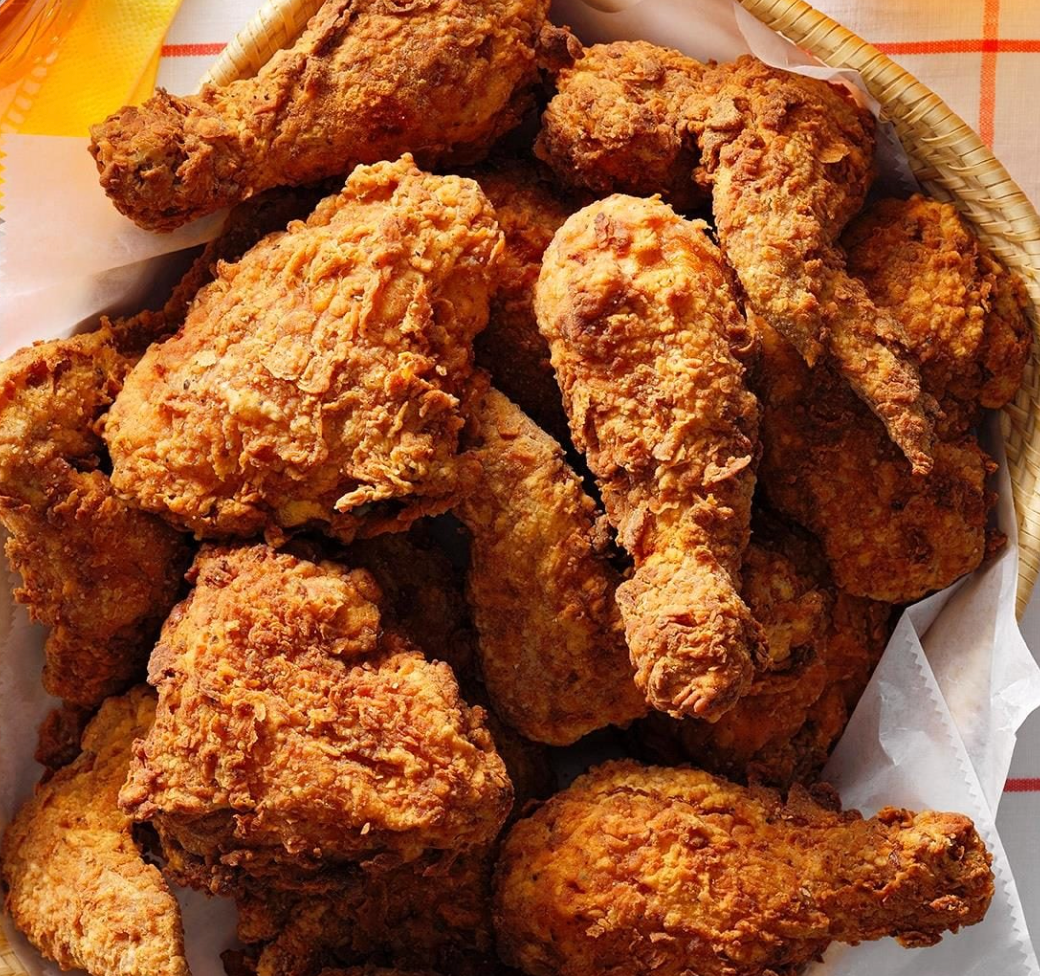
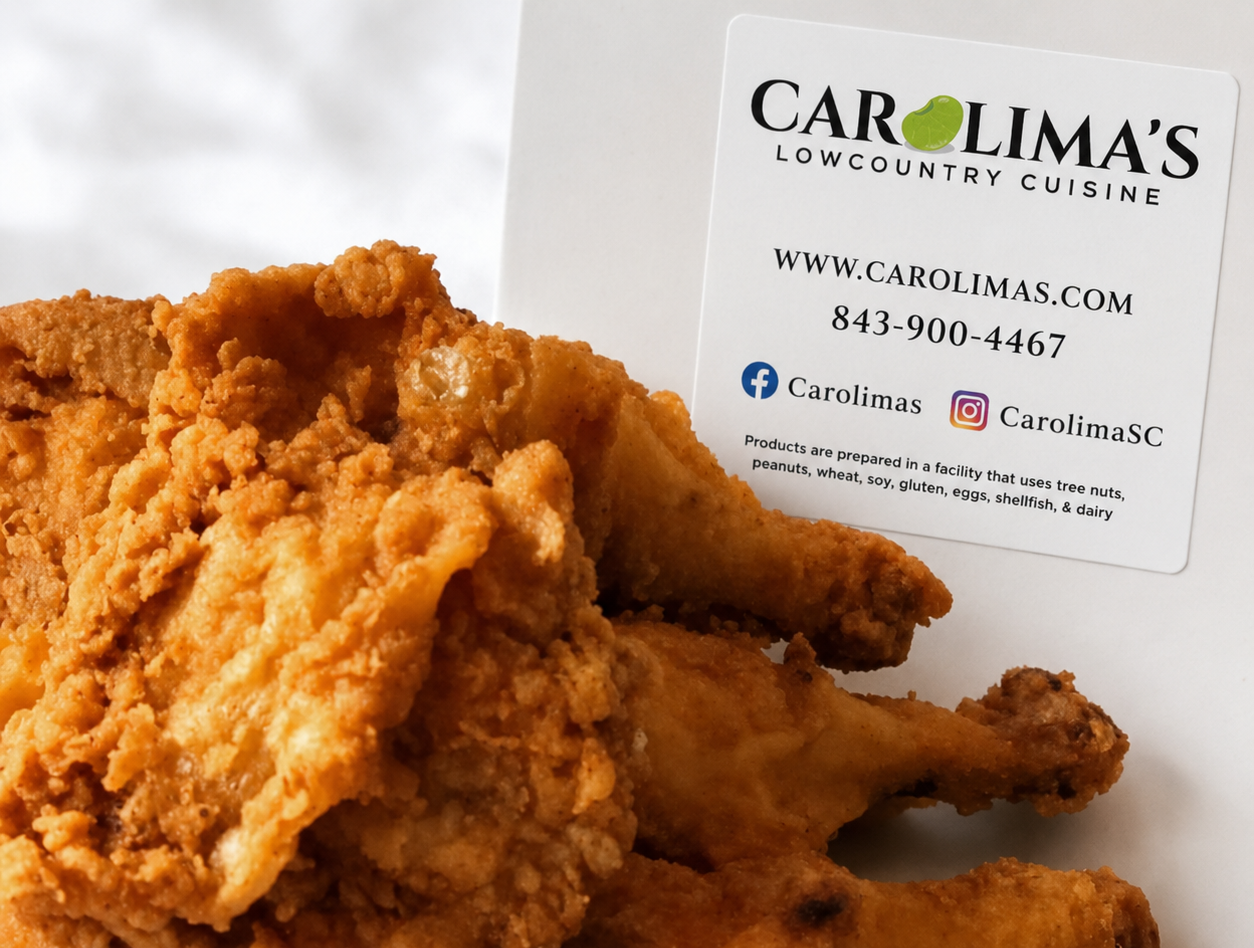
Golden, crispy, and deeply rooted in Southern history, fried chicken is much more than a comfort food. Behind every perfectly seasoned piece is a story of resilience, resourcefulness, entrepreneurship, and family traditions that have been passed down for generations. This week, as we celebrate National Fried Chicken Day and prepare for tomorrow's (Wednesday, July 8th) Green Plate Special, we thought it was the perfect opportunity to share the history behind one of the South's most recognizable dishes. Historians believe the fried chicken we know today emerged from the blending of Scottish frying techniques with the seasoning traditions and culinary expertise of West Africans. Together, those influences created a dish that would become a cornerstone of Southern cuisine. After emancipation, fried chicken became much more than comfort food. For many Black families, chickens were one of the few animals they could own and raise. They provided both food and income, making fried chicken an affordable meal and, for some, the centerpiece of small businesses. Black women sold fried chicken at churches, train stations, community gatherings, and roadside stands, using their cooking skills to support their families and build financial independence. Unfortunately, as Black entrepreneurs found success, fried chicken also became the subject of harmful racial stereotypes. Images and advertisements were created to mock African Americans and diminish the significance of a food that had become associated with Black resilience and self-sufficiency. Those stereotypes lingered for generations, overshadowing the true history of the dish. Today, we choose to remember a different story. We remember grandparents standing over cast-iron skillets, carefully turning each piece until it reached the perfect golden brown. We remember recipes that weren't written down but were learned by watching, tasting, and cooking alongside the people who came before us. We remember Sunday dinners where the platter of fried chicken always seemed to disappear first and celebrations where everyone hoped to snag the last piece. At Carolima's, fried chicken isn't just one of our most requested dishes—it's a reflection of the traditions that continue to bring people together. Every plate represents generations of knowledge, hospitality, and love passed from one kitchen to the next. It's a reminder that some of the best recipes aren't just made with flour and spices—they're seasoned with history. So, if you're joining us for tomorrow's (Wednesday, July 8th) Green Plate Special, know that you're enjoying more than a delicious meal. You're sharing in a tradition that has been passed down through generations and remains an important part of Southern and Gullah Geechee food culture. We'll see you tomorrow—come hungry!