
A Little Love on the Plate: Honoring Family Caregivers
November is National Family Caregivers Month, a time to recognize the millions of people who dedicate their time, energy, and love to caring for family members. Whether it's an aging parent, a spouse recovering from surgery, a child with special needs, or a loved one living with an illness, caregiving takes many forms. And while we often think about medical appointments, medications, and daily responsibilities, there's another important part of caregiving that doesn't always get the attention it deserves: food.
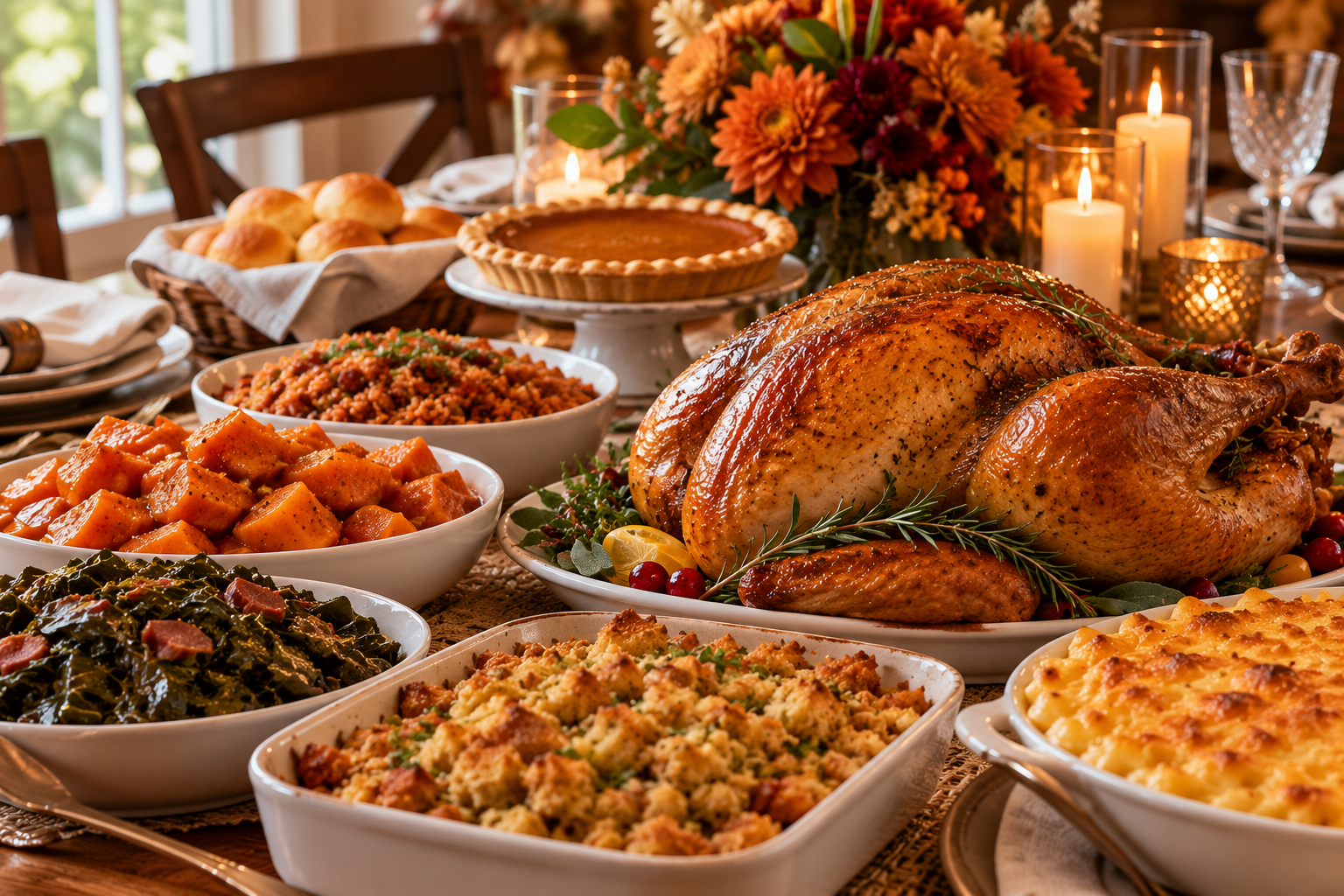
For generations, food has been one of the most familiar ways families show love and care. Think about the chicken soup someone made when you were sick, the plate a neighbor dropped off after a loss, or the family member who always made sure everyone had something to eat. Sometimes the simplest gesture, like preparing someone's favorite meal, can mean more than words.
The Kitchen Has Always Been a Place of Care
In many Black families, caregiving has long been woven into everyday life. Grandparents help raise grandchildren, adult children care for aging parents, and relatives step in when someone needs support. While these responsibilities can be shared across generations, they have often fallen heavily on women, who balance caregiving with work, raising children, and their own personal needs.
Food frequently becomes part of that responsibility. Someone has to plan the meals, shop for groceries, prepare dinner, and make sure everyone is eating properly. For an older family member, that might mean adjusting recipes to meet dietary needs. For someone recovering from an illness, it could mean preparing meals that are easy to eat or reheat.
And sometimes, caregiving is simply remembering that someone hasn't eaten all day and making them a plate.
When the Caregiver Needs Caring
As meaningful as caregiving can be, it can also be exhausting. Between appointments, household responsibilities, and the emotional demands of caring for someone else, caregivers often put their own needs last. It's not unusual for someone to spend the entire day making sure everyone else has eaten, only to realize they've barely had a meal themselves.
That's where family, friends, and community can make a difference. Bringing over a home-cooked dinner, preparing a few freezer-friendly meals, or offering to handle groceries for the week can take one responsibility off a caregiver's plate.
In the Black community, there's a longstanding tradition of showing up with food during difficult times. Whether it's a church member delivering dinner, a neighbor bringing a casserole, or relatives filling the kitchen after a family emergency, these gestures remind people that they don't have to carry everything alone.
And while food can't solve every challenge that comes with caregiving, it can provide comfort, nourishment, and one less thing to worry about.
Caring Beyond the Plate
At Carolima's, we understand that food has always been about more than simply feeding people. It's about hospitality, connection, and making others feel cared for. Those same values are at the heart of family caregiving.
This National Family Caregivers Month, we encourage you to think about the caregivers in your life. Maybe it's a parent, grandparent, sibling, spouse, friend, or neighbor who spends much of their time looking after someone else.
Instead of simply asking how they're doing, consider asking what you can take off their plate. Offer to cook dinner, pick up groceries, or sit with their loved one so they can enjoy a little time for themselves.
Sometimes the most meaningful way to say "I appreciate you" is to make sure the person caring for everyone else is being cared for, too.
And sometimes, that starts with a warm meal.