


Featured on

FOOD NETWORK+ HBO MAX

Gullah Geechee CATERING Excellence

Green bean-shaped icon on a white background

Proud Members Of...

Row of organization logos on a white banner, including Lowcountry, SMBCC, and other partner marks

EXPERIENCE AUTHENTIC, GULLAH CUISINE.

You've just found the Gullah Geechee Cuisine that thousands

across the country rave about.

Premiere Catering Company in Charleston, SC

Carolima's Lowcountry Cuisine is a food catering service specializing in Gullah Geechee catering, an authentic African American cuisine that combines African cooking techniques with local ingredients. We offer catering for every event, including: luncheons, breakfasts, and family reunions, in Charleston, SC.


Most people have indulged in Gullah Geechee cuisine without realizing it. Okra soup, seafood soups, red rice, garlic crabs, grits, and oysters are all a part of Lowcountry cooking, with an emphasis on seafood and grains. If you’re not a huge seafood fan, our catering company also makes amazing fried chicken, roast beef, mac n’ cheese, and scrumptious breakfast dishes!

Authentic, Quality Cuisine Made with Love.

We take both our food, and our business, seriously. As caterers, we are determined to serve delicious, high-quality food at your event, made perfectly for you and your guests! We consider ourselves ambassadors for Gullah Geechee food and culture, so it’s our goal to ensure you have the best possible service and love the food!


Contact us today to schedule your catering order!

how can we serve you
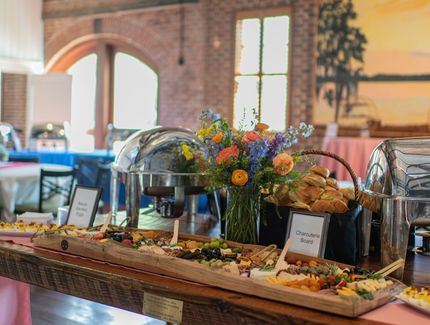
Buffet table with pastries, fruit, and flowers in a warmly lit rustic indoor venue

Full Service Catering

Elevate your events with our Gullah Geechee-inspired full-service catering. Immerse yourself in tradition and convenience, letting us handle every detail for a professionally presented and culturally rich experience.
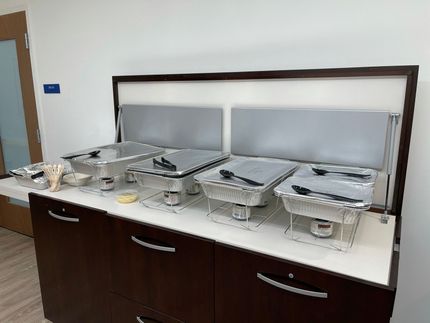
Self-serve buffet with covered stainless-steel food trays on a dark wood counter.

Drop-Off Services

Savor the taste of Gullah Geechee excellence at your convenience. Our drop-off services bring carefully curated menus straight to your doorstep, ensuring culinary delight without the need for on-site staff.
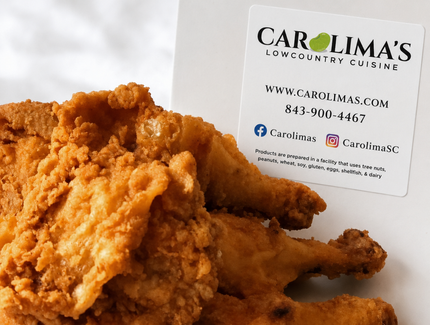
Fried chicken pieces on a white plate with a Carlina’s logo in the background

Pick-Up Services

Enjoy culinary excellence on your terms. With our pick-up services, select your favorites from our diverse menu and elevate your gatherings with Gullah Geechee-inspired cuisine, ready for pick-up at your convenience.

Contact Us
WE ARE YOUR PARTNER IN AUTHENTIC GULLAH CUISINE.

are YOU looking for something different?

Well...You've found it!
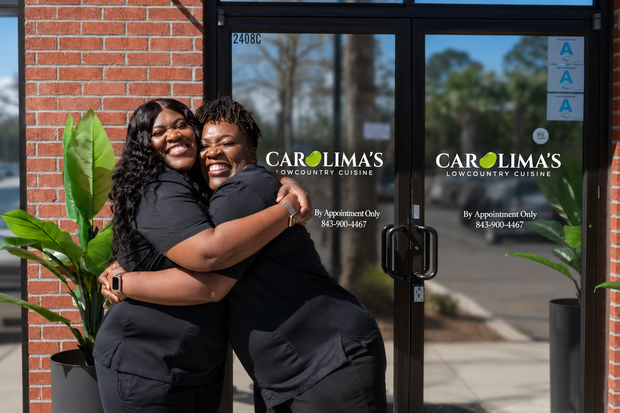
Two people hugging outside a brick storefront with glass doors and yellow lettering

'We be da' DYNAMIC DUO

Hey there! Sameka & 'Emma, your Gullah Geechee Chefs in the kitchen.


As sisters with a passion for cooking, we bring a unique blend of cultural heritage and culinary expertise to your dining experience. Explore our Gullah infused menus and let us elevate your next event with the rich and authentic taste of Carolima’s.


From savory delights to sweet treats, we craft culinary experiences that go beyond the ordinary. Join us on a flavorful journey that celebrates tradition, flavor, and the vibrant spirit of the Lowcountry. Can't wait to make your next event truly special!

Sameka & 'Emma

Contact Us

Check Out What's New In The Blog

By Kamryn Jenkins June 23, 2026
For nearly two centuries, long before refrigerated trucks and commercial seafood distributors, Charleston depended on a remarkable group of fishermen known as the Mosquito Fleet. These men supplied much of the fresh fish, shrimp, crabs, and oysters that found their way onto Lowcountry tables and helped shape Charleston's seafood culture. The Mosquito Fleet was made up primarily of African American and Gullah Geechee fishermen who worked the waters surrounding Charleston Harbor. Before emancipation, many of these fishermen were enslaved men who used handmade boats, homemade sails, hand-tied nets, and their extensive knowledge of the tides and waterways to harvest seafood. Some traveled as far as twenty miles offshore without navigational equipment. The fleet's unusual name comes from a local legend. It is said that the daughter of General Charles Cotesworth Pinckney looked out across the harbor and saw dozens of small sailboats returning from the sea. From a distance, their sails appeared like a swarm of mosquitoes buzzing across the horizon, and the name "Mosquito Fleet" stuck. After the Civil War, many formerly enslaved fishermen continued their trade as free men. Fishing became one of the few paths to economic independence available to Black Charlestonians. Fathers taught sons how to read the tides, mend nets, harvest oysters, and navigate the coastal waters. Their catches supplied local markets, restaurants, street vendors, and families throughout Charleston. The fleet became a familiar sight along the Charleston waterfront. Each day, residents gathered to watch the boats return and purchase fresh seafood directly from the fishermen. The shrimp for shrimp and grits, the oysters for oyster roasts, and the fish that appeared on dinner tables across the city often came from these hardworking watermen. As the twentieth century progressed, however, the industry began to change. Larger commercial fishing operations, motorized vessels, refrigeration, waterfront development, and changing economic opportunities reduced the need for the small wooden boats that had once dominated the harbor. By the 1970s, only a handful of Mosquito Fleet fishermen remained. Hurricane Hugo dealt another devastating blow in 1989 when it destroyed the historic dock used by the fleet. Today, the Mosquito Fleet no longer sails into Charleston Harbor each morning. The boats are gone, and many of the fishermen's stories have faded with time. Yet their legacy lives on through the Gullah Geechee communities that continue to preserve the traditions of the Lowcountry and through the seafood dishes that remain at the heart of Charleston's culinary identity. Every time we enjoy a bowl of shrimp and grits, a seafood boil, fried fish, or an oyster roast, we are experiencing a tradition that was shaped in part by the men of the Mosquito Fleet. Their knowledge of the water, their perseverance, and their contributions to Charleston's food culture deserve to be remembered. The next time you enjoy fresh local seafood, take a moment to think about the generations of Gullah Geechee fishermen who helped feed a city—one small boat at a time.
By Kamryn Jenkins June 16, 2026
Juneteenth is a celebration of freedom, resilience, and the enduring strength of Black communities. While many people associate the holiday with parades, festivals, and family gatherings, for many of us, some of the most meaningful celebrations happen around the table. Food has always been more than nourishment. It is memory. It is tradition. It is a way of passing stories from one generation to the next. Growing up in the Lowcountry, dishes like red rice, okra soup, and collard greens weren't considered special occasion foods—they were simply part of life. They were the dishes prepared by mothers, grandmothers, aunts, and neighbors who understood that feeding people was an act of love. Red rice, one of the most recognizable dishes in Gullah Geechee cuisine, tells a story of African influence, resourcefulness, and tradition. Made with rice, tomatoes, and seasonings, it has been a staple of Lowcountry tables for generations. While Juneteenth celebrations often feature red foods and beverages as symbols of resilience and sacrifice, red rice has long held a special place in our community as a dish that connects us to our heritage. Okra soup is another dish deeply rooted in African traditions. Okra itself traveled across the Atlantic with enslaved Africans and became a cornerstone of Southern and Gullah Geechee cooking. Whether prepared with seafood, smoked meats, or vegetables, a pot of okra soup represents generations of cooks preserving culture through food. Then there are collard greens. Slow-simmered and seasoned with care, collards have become a symbol of prosperity, perseverance, and family. Few dishes bring back memories quite like a pot of collard greens cooking on the stove, filling the house with a familiar aroma that signals a meal is on the way. These dishes are more than recipes. They are reminders of where we came from and the people who came before us. They tell stories of hardship and triumph, creativity and survival, community and celebration. As we observe Juneteenth, we encourage you to take a moment to reflect on the recipes that have been passed down in your own family. Ask questions. Write them down. Cook them with your children and grandchildren. Share the stories behind them. Because when we preserve our food traditions, we preserve our history. And that is something worth celebrating.
By Sameka Jenkins June 9, 2026
As National Iced Tea Day approaches on June 10, it's the perfect time to look at Charleston's surprising role in America's tea history and the Lowcountry traditions that turned a simple glass of tea into a symbol of Southern hospitality.  Many people are surprised to learn that some of the first tea plants grown in the United States were planted near Charleston in the late 1700s. French botanist André Michaux introduced the tea plant, Camellia sinensis, to South Carolina at Middleton Place along the Ashley River. While those early efforts faced challenges, they helped establish the Lowcountry as the birthplace of America's tea industry. Over time, tea became woven into the fabric of Southern life. By the late 1800s, successful tea cultivation took root in nearby Summerville, helping South Carolina become the only state in the nation with a commercial tea industry. But tea's story in the Lowcountry is about much more than agriculture—it's about community, culture, and gathering around the table. African Americans, particularly the Gullah Geechee people of the South Carolina and Georgia coast, played a significant role in shaping the region's food traditions. Descendants of enslaved Africans brought agricultural knowledge, culinary techniques, and a deep sense of hospitality that continue to influence Lowcountry cuisine today. While tea itself was not native to West Africa, the traditions of sharing beverages, gathering with family, and welcoming guests became central to Southern food culture. For generations, sweet tea has been present at church suppers, family reunions, fish fries, cookouts, weddings, and Sunday dinners throughout Black communities across the South. A pitcher of sweet tea on the table often meant you were welcome, there was enough to share, and nobody was leaving hungry. Much like a pot of rice, a cast-iron skillet, or a family recipe passed down through generations, sweet tea became part of the traditions that brought people together. Today, whether served alongside a plate of fried chicken, barbecue, seafood, or your favorite Lowcountry meal, iced tea remains one of the South's most beloved beverages. It represents hospitality, connection, and the stories that unite us across generations. So as we celebrate National Iced Tea Day, let's raise a glass to Charleston's role in America's tea history and to the families and communities who helped make sweet tea a cherished Southern tradition. After all, around here, tea isn't just a drink—it's a part of our heritage.
Show More